
A review of David Ayer’s Heart of the Beast, starring Brad Pitt and Odin, exploring survival, trauma, companionship, nature and the bond between man and dog.
Sometimes the wilderness outside is not the most dangerous place. Sometimes, the wilderness within…
There are films that entertain us, films that disturb us, and films that quietly follow us long after the credits have rolled. Heart of the Beast belongs somewhere in the last category. Perhaps I was predisposed to be moved by it. I am, after all, a self-confessed caninetrovert. But David Ayer’s survival drama, starring Brad Pitt as a retired war veteran, is not merely a film about a man and his dog trying to survive the wilderness. Beneath its rugged exterior lies a surprisingly tender mediation on trauma, companionship, courage, fear and the stubborn instinct to remain alive.
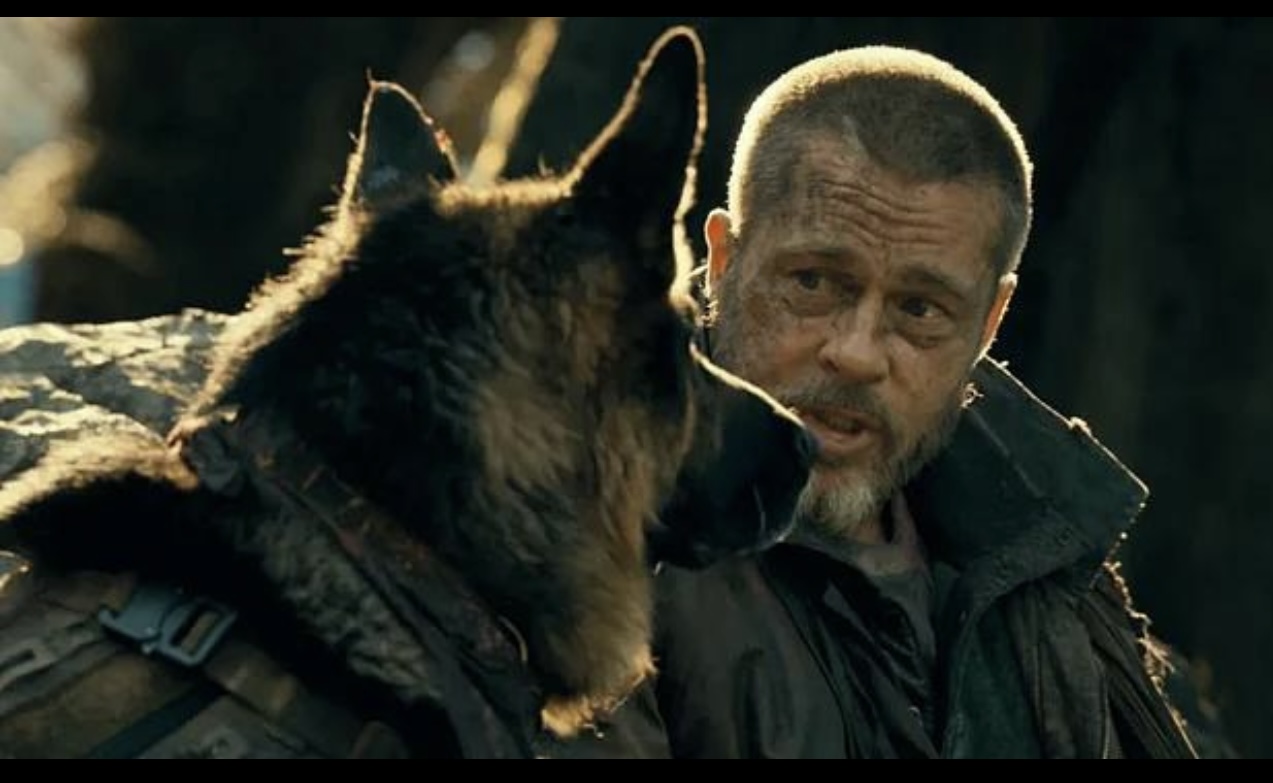
At its center are James and Odin.
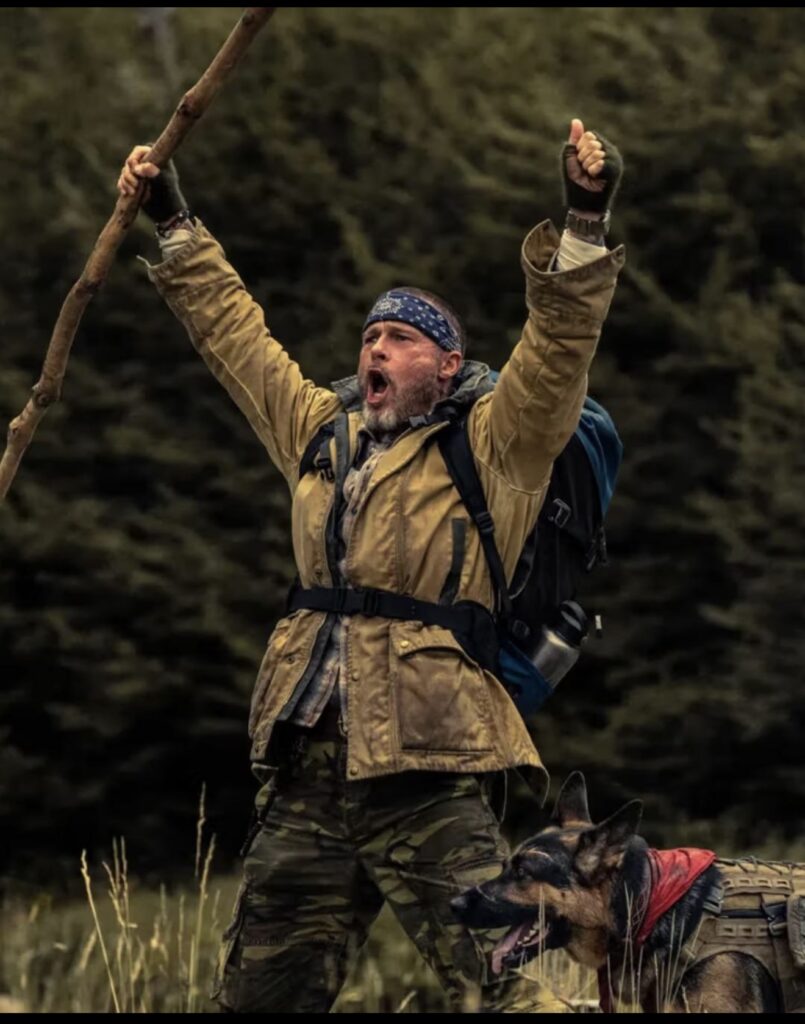
One is a retired soldier. The other is his combat dog. Yet the distinction between master and companion gradually dissolves. They are merely two survivors carrying invisible wounds, bound together by a language that requires no words. And perhaps that is where the film begins to reveal its true heart.
The wilderness within
James and Odin embark on what initially appears to be a journey the spectacular wilderness of Alaska, though the film was shot amid the breathtaking landscapes of New Zealand’s South Island. Very soon, however, the journey turns into a fight for survival. The mountains are unforgiving. The weather is volatile. Danger appears without warning. But the greatest threat is not always the that can be seen. James has retuned from war, but war has not entirely left James.
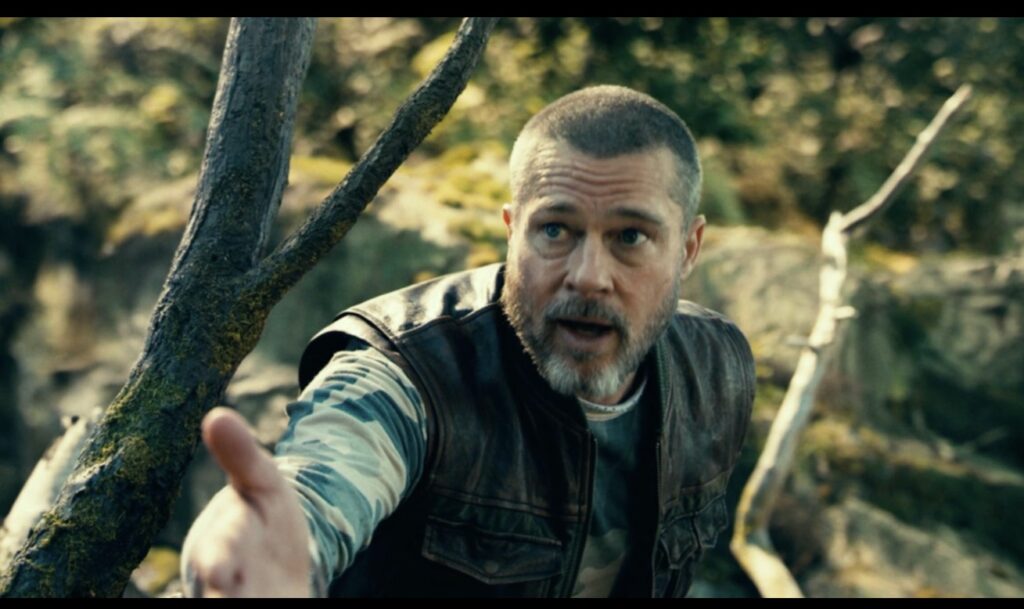
His memories follow him into the wilderness. His nightmares follow him into sleep. The trauma of the battlefield survives long after the battlefield itself has disappeared.
Odin too carries his own scars. Together, they move through a landscape that seems to mirror their psychological state- beautiful, unpredictable and occasionally terrifying.
The physical journey becomes an emotional one.
And the question slowly changes from Will they survive? To What does it actually means to survive?
Beyond man versus nature
Survival cinema has traditionally relied on a familiar conflict: man against nature.
But Heart of the Beast seems to be asking us to look beyond that convenient division.
Nature is not necessarily the enemy. It is simply indifferent.
The wilderness does not hate James. It does not seek revenge. It does not even know him. It simply exists- with all its beauty, violence and unpredictability.
One of the film’s most memorable encounters comes when James and Odin face a grizzly bear. What begins as a potentially terrifying confrontation, does not culminate in the expected battle for dominance. Instead, the encounter ends in retreat.
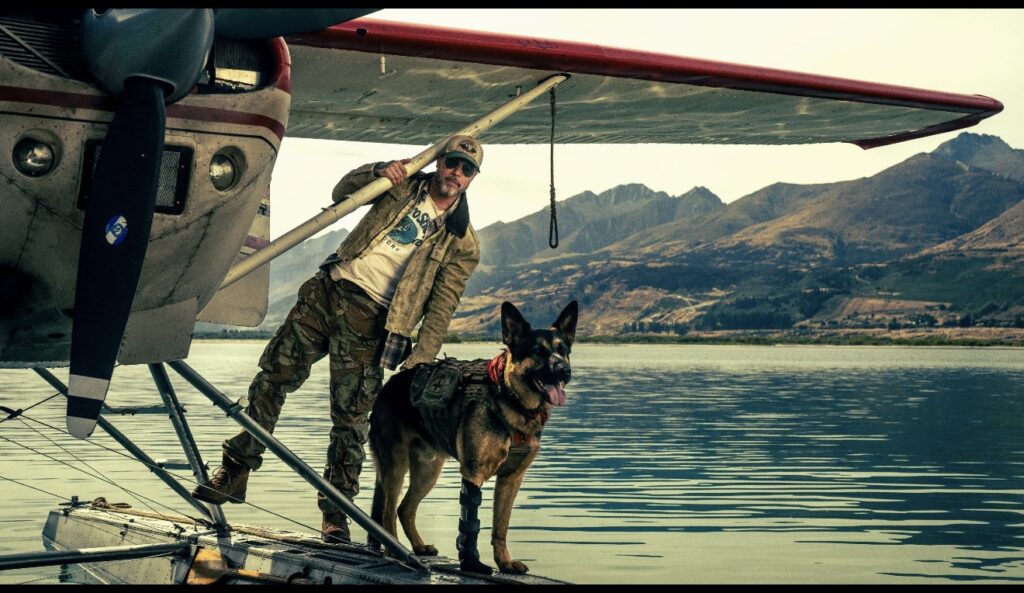
There is something quietly profound about that moment. The film seems to suggest that survival does not always mean conquering nature. Sometimes it means respecting it too. Humility becomes important as strength. And coexistence becomes more meaningful than victory. The wilderness is not conquered. It is rather negotiated.
A war that refuses to end
Perhaps the film’s most affecting layer is its treatment of trauma. James may have left the military, but the psychological battlefield remains active. The past invades the present through nightmares, fear and indistinctive reactions. The war has ended geographically, but not emotionally.
Ayer does not need grand speeches to communicate this.
Sometimes a look is enough. Sometimes silence is enough. Sometimes the way a character wakes from sleep tells us more than dialogue ever could.
The same applies to Odin too. He is not merely a companion accompanying James through the wilderness. He is also a reminder of the life James once lived and the emotional world has carried with him.
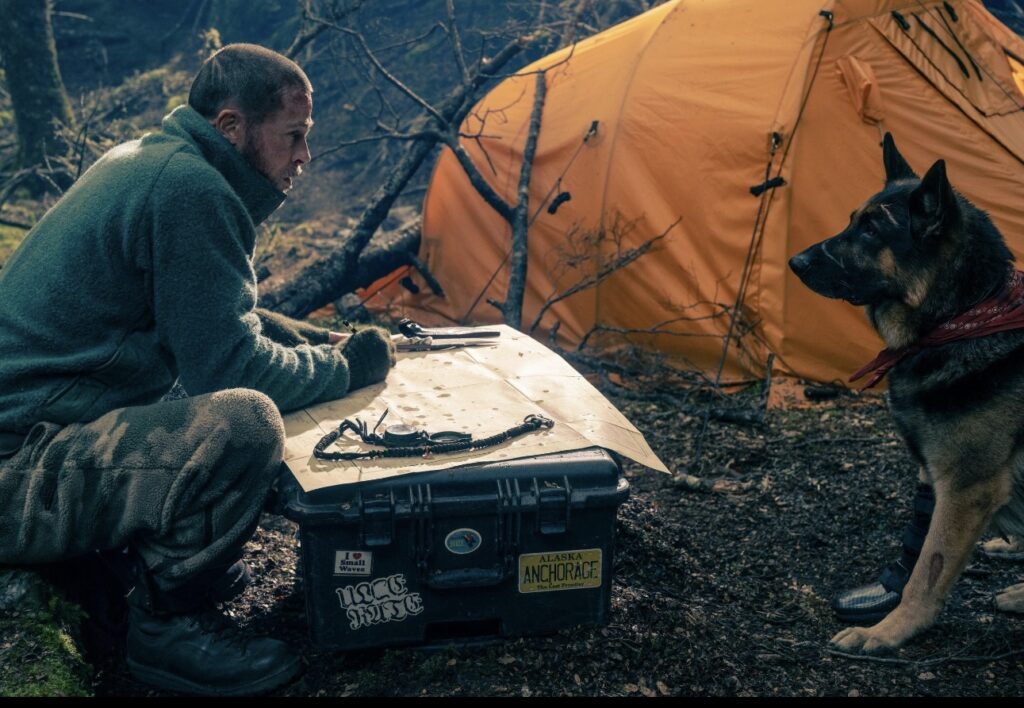
The two are, in a sense, mirrors of each other. Both have been trained for danger. Both have experienced trauma. Both instinctively understand fear. And both find comfort in the other’s presence.
There is something extraordinary moving about the relationship between humans and dogs because it exists largely beyond language.
James does not need to explain himself to Odin. Odin does not need words to reassure James. A glance can become a conversation. A touch can become a promise. So is a presence becoming a lifeline.
When James calls Odin “the greatest joy of my life” the statement carries the emotional weight of the entire film. Their relationship is founded on absolute trust, but the narrative repeatedly tests that trust. Circumstances force them into situations where survival itself becomes uncertain.
And yet, again and again, they choose each other. That is perhaps the film’s most beautiful idea: Compassion can itself become a form of courage.
James does not survive simply because he is physically strong. He survived because he has someone to protect, someone to trust and someone who refuses to abandon him.
Who – or what – is the Beast?
The title becomes increasingly intriguing as the film progresses:
Who is the beast?
Is it Odin?
Is the grizzly?
Is it the wilderness?
Is it the violence of the war?
Or is it the beast something buried inside James himself?
Perhaps it is all of them. The “beast” can be understood as fear, danger, trauma or the darker instincts that emerge when survival becomes the only objective. The film deliberately keeps the metaphor open, following the audience to decide what lies at its center.
Even the wilderness begins to feel almost human. It watches. It tests. It threatens it. It offers beauty and danger in equal measure.
In that sense, the landscape becomes an extension of Jame’s inner world. The deeper he travels into the wilderness, the deeper he seems to travel into himself.
The movie’s emotional crescendo arrives with the farewell letter.
James asks Odin to move forward. It is devastating precisely because their entire journey has been about to let go. They have protected one another. They have depended upon one another. They have carried one another through fear and exhaustion. And now James must contemplate the possibility of a life in which Odin has to continue without him. The scene turns the idea of survival upside down. Sometimes survival is not about holding on. Sometimes survival means, allowing something you love to let go.
The farewell is therefore not simply an ending, but it is an act of love.
A final expression of trust.
A final attempt to say: You must live.
The heart that remains
Heart of the Beast may present itself as a survival thriller, but its deepest concerns are much more intimate.
It is about the wounds that cannot be seen.
It is about the memories that refuse to die.
It is about the strange ways in which love can become a source of strength.
It is about the relationship between humanity and nature.
And above all, it is about the extraordinary companionship between a man and his dog.
It is all about learning to live with the beast inside. By the time the movie reaches its final moments, the wilderness no longer feels like merely a place James and Odin travelled through. It feels like a journey they travelled through themselves.
And that may be the film’s most enduring truth:
We do not always survive because we are strong. Sometimes, we survive because we are loved.