
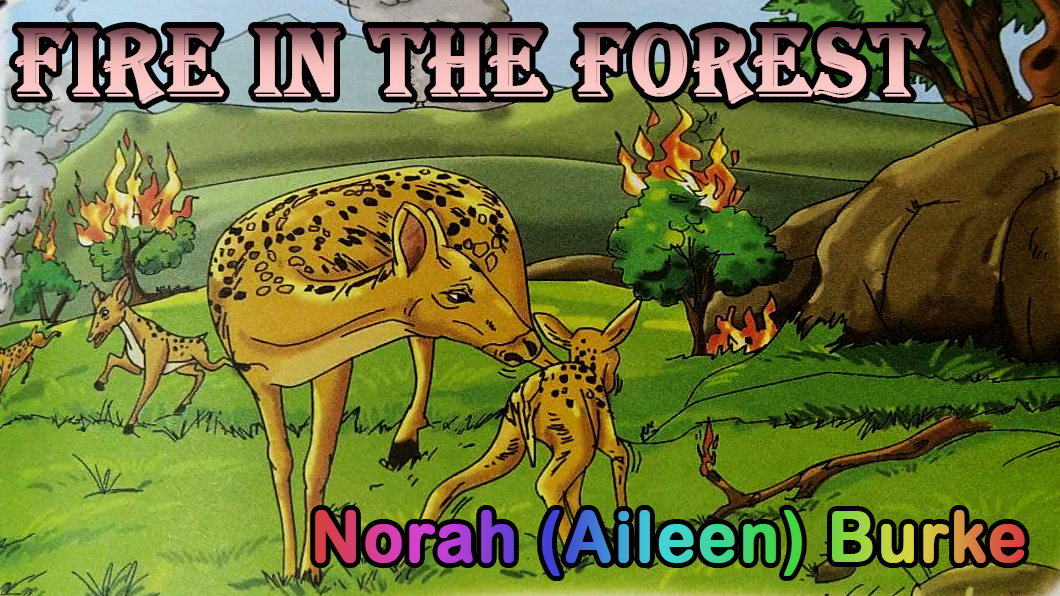
After forty years, one old textbook brought the jungles of my childhood rushing back.
After more than four decades, I recently stumbled upon a copy of Jungle Picture by Norah Burke—a book I had studied in school in India during the 1970s. Holding it again after all these years felt like unearthing a forgotten treasure, long buried under layers of time and memory. As I turned the familiar pages, vivid images of dense Indian jungles, mysterious creatures narrated in those captivating short stories came rushing back. Burke’s evocative writing transported me to a simpler time, rekindling the wonder and curiosity I felt as a schoolchild.
I had first read Norah Burke‘s jungle stories as a student in the 9th grade in Loyola School, Trivandrum and have never forgotten the impact these stories had on me. English was my favourite subject and among the lessons I had to study in school I fondly remember ‘Julius Caesar’ with his antipathy towards lean and hungry people and his fondness for those who are fat, Young Lochinvar who rode out of the west to claim his fair Ellen, the mysterious ‘La Bella Dame Sans Merci’ who held men in thrall and crowds of nodding Daffodils, but my most vivid memory is of the Jungles of India , masterfully evoked by Burke’s prose.

Turning old pages
Rereading Jungle Picture was more than just a nostalgic indulgence; it was an emotional homecoming. In reclaiming the book, I relived moments of wide-eyed imagination and a deep connection with the natural world. It was a reminder of the timeless magic of stories and how some books, once loved, never truly leave us.
“Jungle Picture” by Norah Burke is a collection of 22 short stories that depict the vast forests of India, particularly along the foothills of the Himalayas. Published in 1960, this anthology reflects Burke’s intimate knowledge and experience of Indian jungles, stemming from her childhood spent there as the daughter of a British forest officer. It was prescribed as an English textbook for the ISC and ICSE courses between 1974 and 1977 and most of those who have studied it, will remember it with fondness.
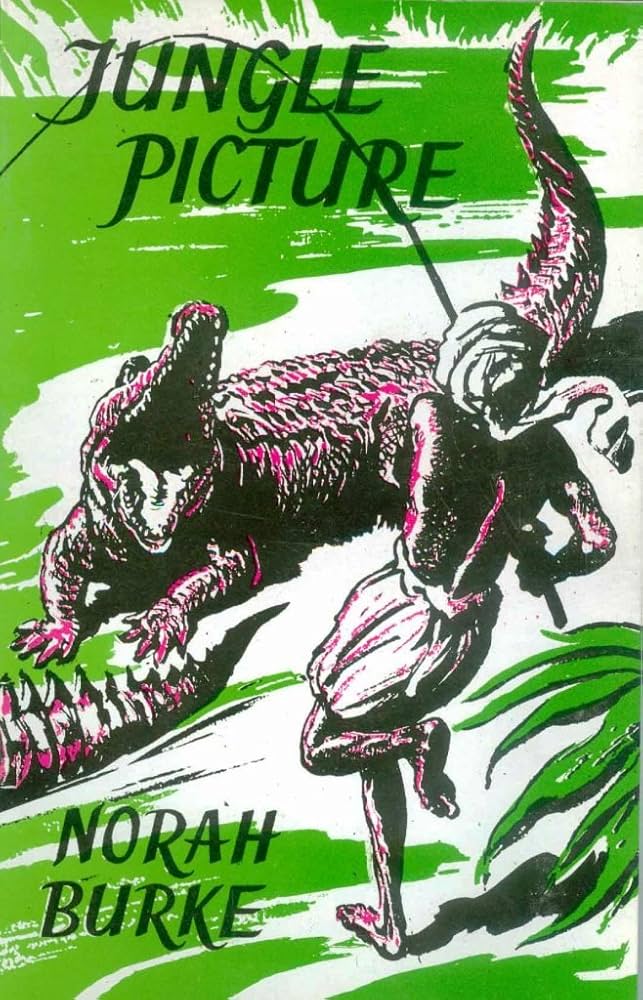
The stories in “Jungle Picture” bring to life the diverse flora and fauna of the Indian wilderness, the myriad creatures and the lush landscapes they inhabit. Burke’s rich descriptive passages along with her engaging storytelling, offering readers an immersive experience of jungle life. Her ability to intertwine human experiences with the natural world provides a unique perspective on the symbiotic relationship between people and their environment.
While “Jungle Picture” may not be widely known in contemporary literary circles, it holds a special place among readers who have encountered it, particularly those with an interest in India’s natural heritage and habitat. The collection serves as both a literary journey into the heart of the Indian jungle and a testament to Burke’s profound connection to the land and its stories.