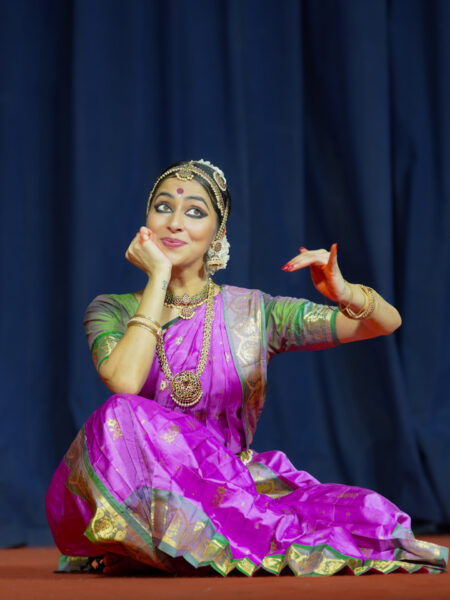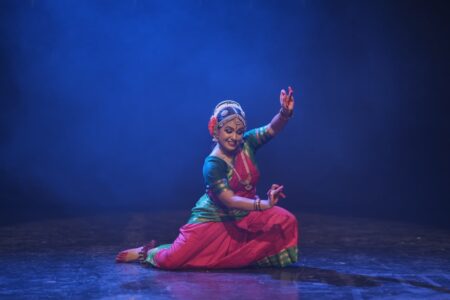

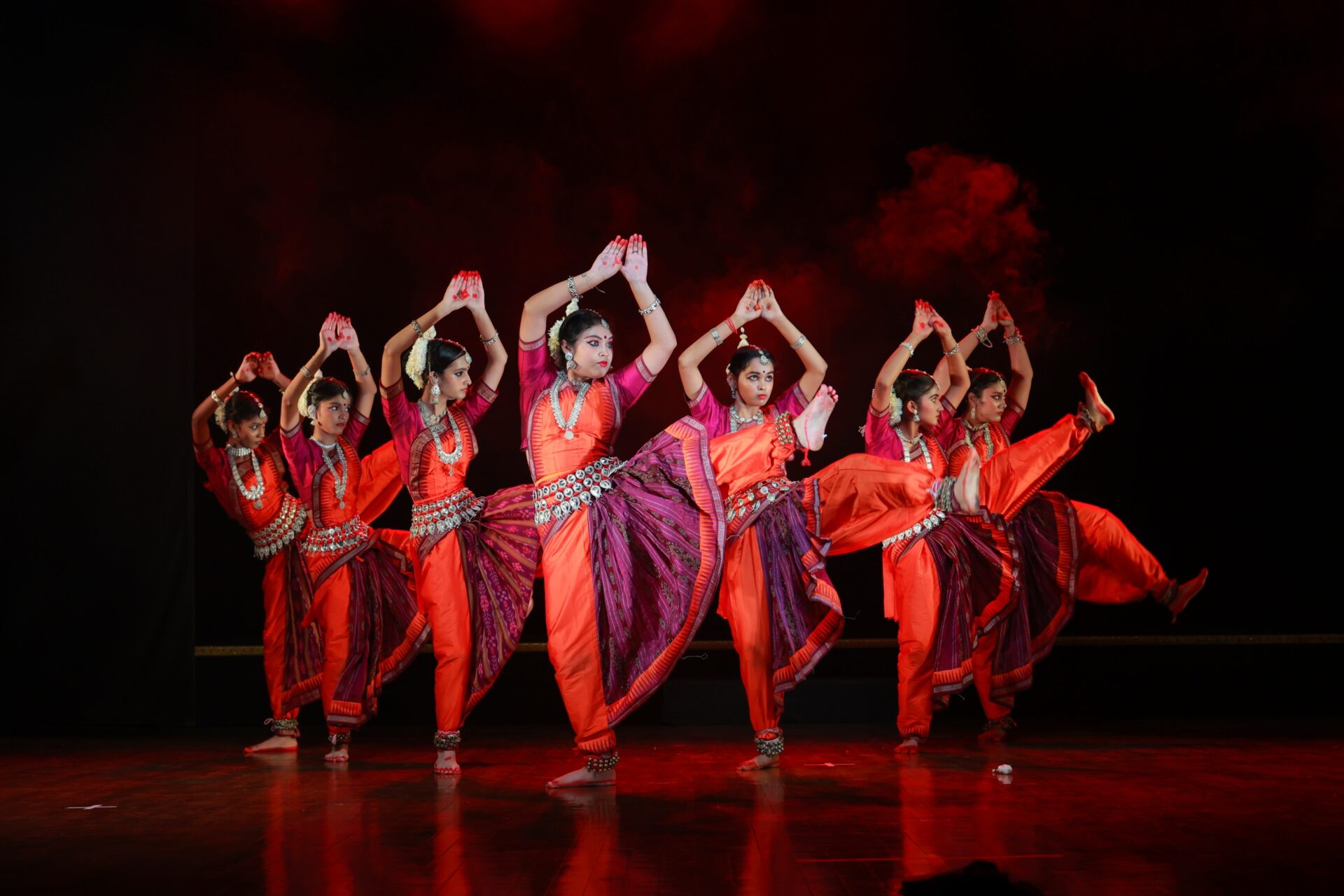
The Naman festival by Nrityantar Academy of Performing Arts brings together Odissi performances, artistic interpretations and a colloquium on sustaining India’s traditional performing arts.
In a society shaped by shifting cultural tastes and habits, traditional Indian performing arts are increasingly marginalised. For artists dedicated to preserving and promoting their art forms, keeping these traditions alive in the mainstream remains a challenge. In order to accomplish this mission, a few veteran artists have been engaged in multitasking. Among them is Bangalore-based Odissi dancer, teacher, and choreographer Madhulita Mohapatra. Nrityantar Academy of Performing Arts under her stewardship recently held a two-day Odissi festival at the Ada Rangamandira, followed by a symposium cum interactive session at the Presidency University, Bangalore.
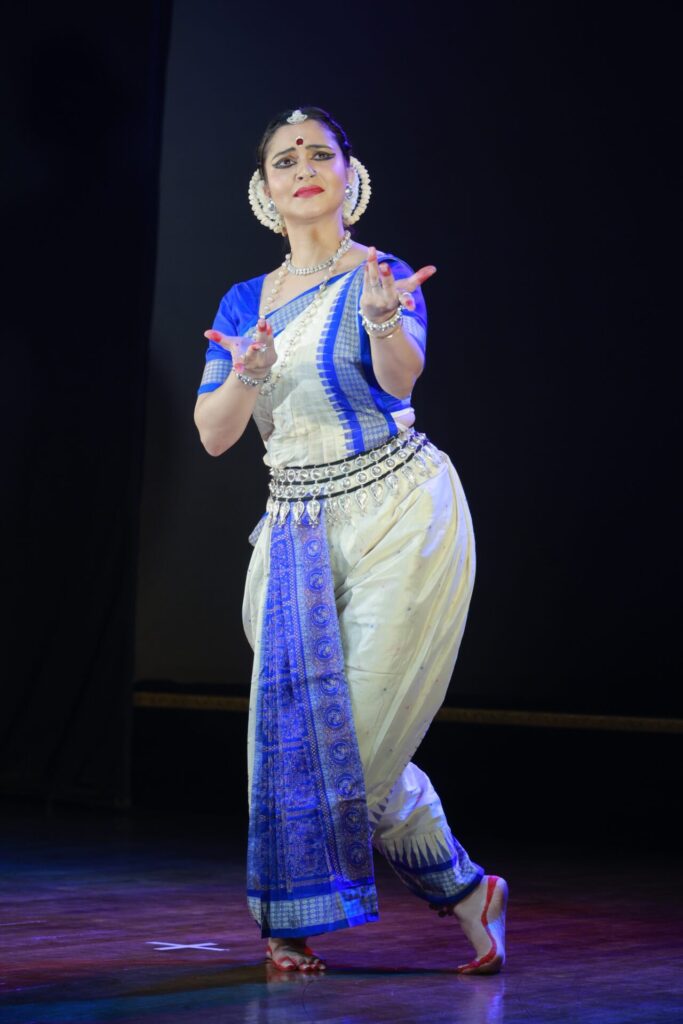
Abstract concepts pose a challenge for traditional dance, which must translate ideas into visual expression. Madhulita’s group choreography, Shoonya (Emptiness) to Sufi, draws on Advaita philosophy to envision universal harmony beyond religious boundaries. Her disciples conveyed its serenity through assured movements.
Three dancers presented raga-specific Pallavis: Malhar Pallavi, with music by Bijay Kumar Jena and rhythmic composition by Vijay Kumar Barik; Megh Pallavi, composed by Ratikant Mohapatra; and Bageshri Pallavi, choreographed by Bijayini Satpathy. Vivekini Das, Debabrata Dutta and Meghna Das, respectively, brought out the distinctive textures of the three pieces.
Mythology and devotion on stage
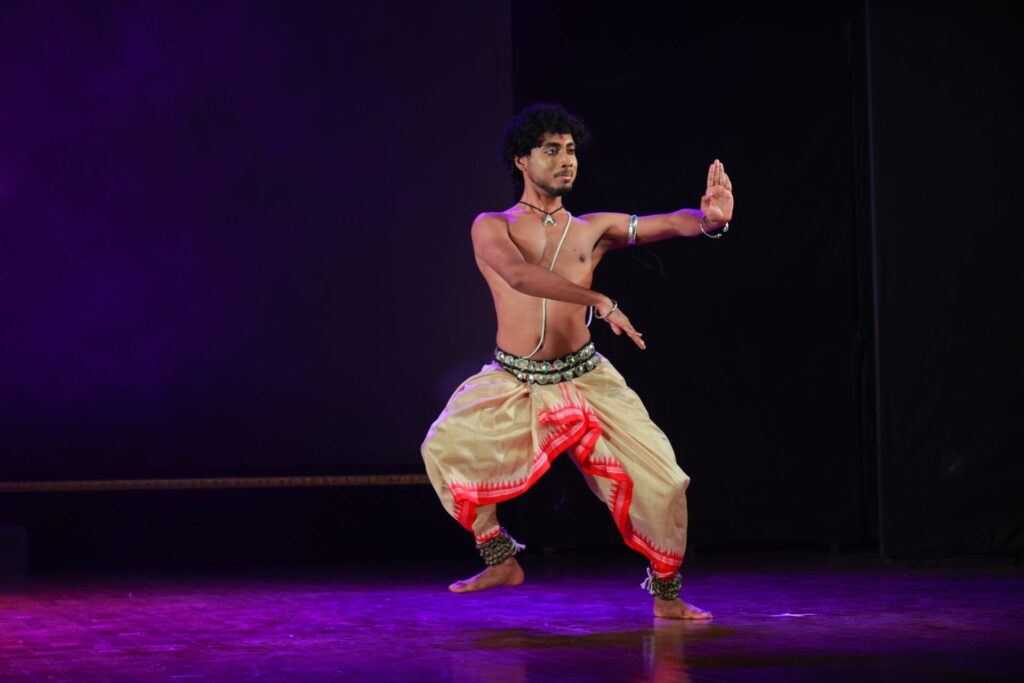
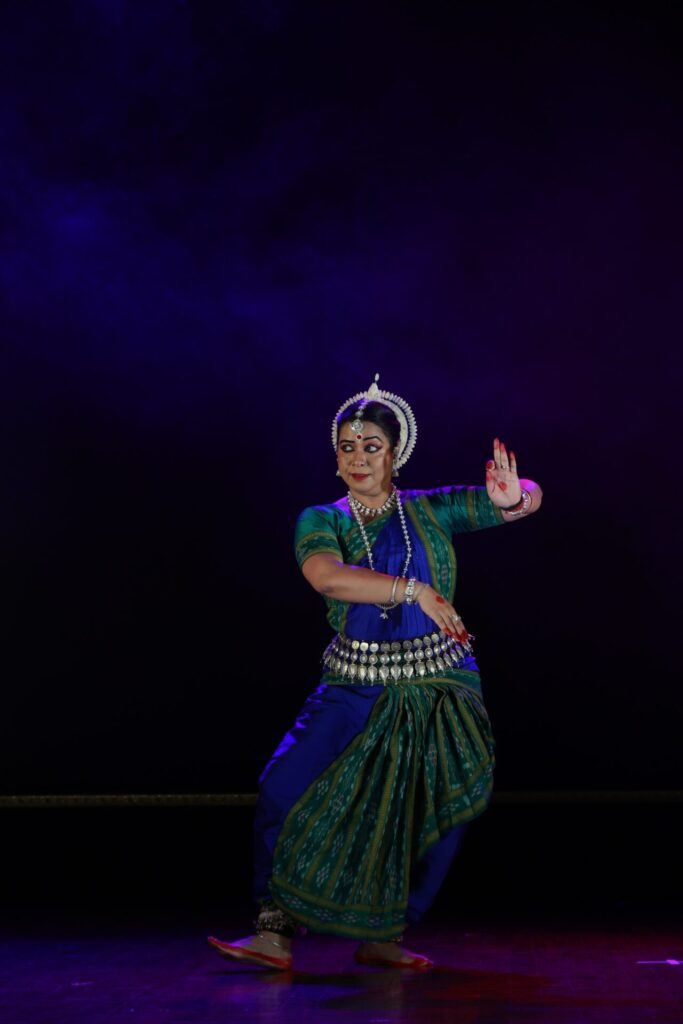
Sonali Mohanty’s homage to Lord Siva, by explicating the famed line, “Nagendra haraaya, trilochanaaya” (music-composition of Ramhari Das), (choreography of Aruna Mohanty) in Ahir Bhairav and Khemtatal was a visual treat. Prasun Mondal, who came on stage afterwards, unfolded the meaning of Shivam Dheemahi, envisioning Lord Siva as Nataraja, the cosmic dancer. The inputs for this item were from Nityananda Mishra. Prasun has proved himself to be a promising young dancer.
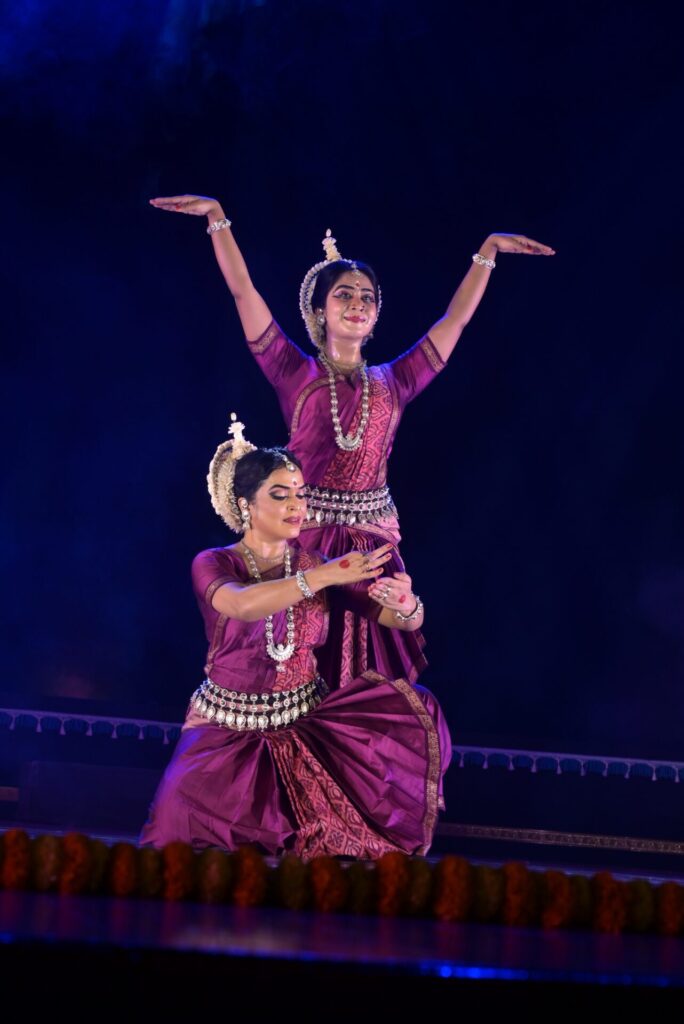
His upangas are expressive and his movements vibrant. Soon after, the theme shifted from Lord Siva to Lord Krishna. Paridhi Joshi performed familiar Ashtapadi, “Yahi Madhava Yahi Keshava”.Her portrayal of Radha as the Khandita Nayika, reproaching Krishna for infidelity, needed greater involvement. Debaprasad Das’ choreography, set to Ramhari Das’ Bhairavi composition, partly offset this limitation. The following Ashtapadi, “Sakhi Hey Keshi Mathanamudaram”, took a group-dance approach. Rupak Kumar Parida’s Mishra Kamaj composition, with rhythmic rendition by Dhaneswar Swain, made for a convincing presentation.
The legend of Dharmapada, the twelve-year-old son of the chief artisan who completed the keystone of the Konark Sun Temple, was poignantly portrayed. According to the legend, fearing the consequences of his achievement for the artisans, the boy sacrificed himself. Sreyashi Dey as the chief artisan and Saanvi Sahoo as Dharmapada conveyed the drama with eloquence, while the ensemble sustained the emotional intensity. The lyrics, music and rhythmic accompaniment by Satyabratha Katha, Ajay Kumar Choudhary and Saubhagya Narayan Chotray supported the narrative’s progression. Madhulita’s choreography gave the production its coherence.
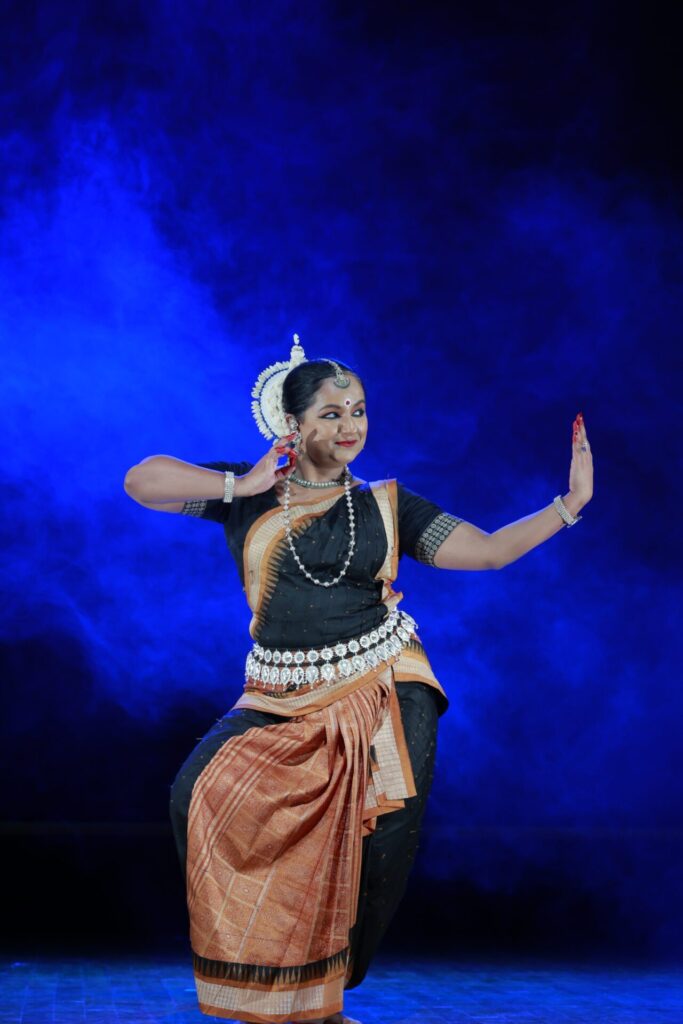
As the concluding item, “Colours of Krishna” depicted the multifaceted Krishna, viz. his divine leelas, playful escapades, and amazing feats, from subjugating the serpent Kaliya to killing his uncle, King Kamsa, compelling the viewers to be glued to their seats. Krishna’s childhood pranks, his dalliance with the Gopikas and the lustrous presence of his eternal love, Radha, were vivacious scenes that had a telltale impact on the audience. A host of dancers well trained by Madhulita succeeded in enlivening each and every moment. Rupak Kumar Parida’s music composition, coupled with the rhythmic inputs from Guru Dhaneswar Swain, invigorated the choreography.
Reimagining the Dashavatara
On the second day, Madhulita and her group presented Dasavathara, based on Jayadeva’s well-known Ashtapadi Pralayapayodhijale, with additional Odia text by poet Kedar Mishra. Rupak Kumar Parida and Guru Dhaneswar Swain are its composers of music and rhythm, respectively. In ragamalika and talamalika, the production appealed to the spectators both as a mass entertainment and as a spiritual odyssey. Right from Matsyaavathaara to Budha, all the ten incarnations of Lord Vishnu were concretised. The Varaha and Balabhadra episodes were particularly compelling. Choreographed and directed by Madhulita this production has added a new feather to its cap.
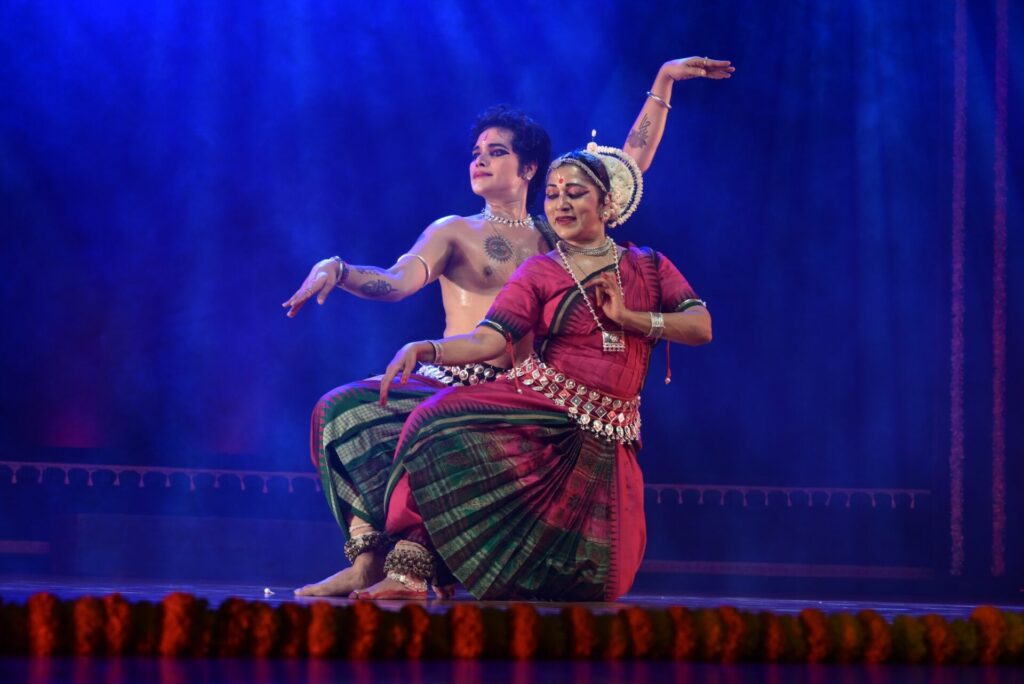
Another highlight of that evening was the combined Odissi recital of Rajashri Praharaj and Preetisha Mohapatra. The recital began with a mind-blowing Pallavi which, apart from its tapestry of rhythm, melody and music, had something fresh to offer. It explored the relationship between dance and music through a sawaal-jawab (question-and-answer) exchange between dancer and vocalist, accompanied by percussion and melodic instruments. Composed in raga Bageshri and set to Ekatali, Raghunath Panigrahi’s music composition deserves special mention.
Originally choreographed by Guru Kelucharan Mohapatra and improved upon by Ratikant Mohapatra, the Pallavi carried an unusual flavour. Their second item, Tulsidas’ Shreeramachandra Krupalu Bhajamana, explored abhinaya, portraying Rama’s majesty and compassion. In the sanchari bhava, the dancers depicted Sita’s swayamvara and the Rama–Ravana battle. Guru Ratikant Mohapatra’s choreography and Pradip Kumar Das’ music strengthened the presentation.
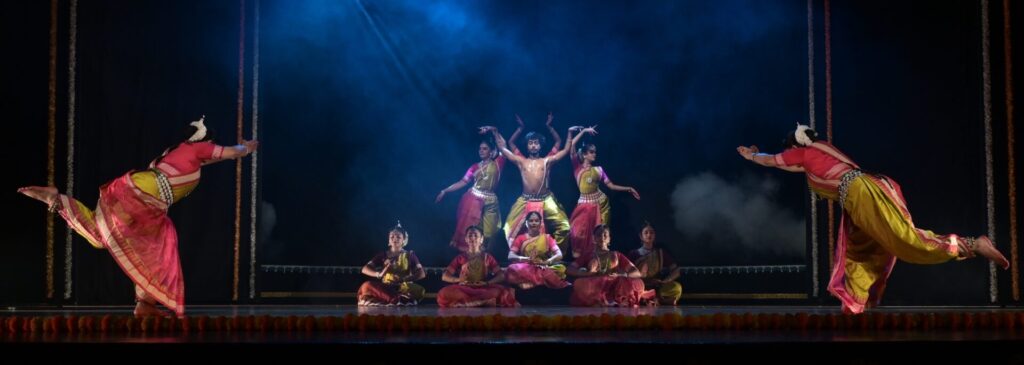
Disciples of Guru Durga Charan Ranbir, Leena Mohanty and Debasish Pattnaik opened their recital with a Pallavi in which Dr Dheeraj Kumar Mohapatra’s music complemented the intricate movements. Their performance was marked by a strong lasya quality.
In Jaaga Maheshwara, the duo offered a tribute to Shiva as the ascetic and cosmic dancer. Through expressive gestures, they evoked the imagery of his matted locks, the celestial river Ganga, serpents and the crescent moon, deftly conveying the aura of Lord Mahesha.
Beyond performance
The third day featured a colloquium at Presidency University on “Beyond the Performance: What Sustains an Art?”. In her welcome address, Pro Vice-Chancellor Dr Vidya Shankar Shetty highlighted Karnataka’s cultural traditions, including tiger dance and Bhoota Kola, and the role of the film Kantara in bringing aspects of these traditions to wider public attention.
Dance critic Leela Venkataraman, in her keynote address, invoked Anand Coomaraswamy’s definition of Indian art as “a self-conscious transcendence from self-identity”. She argued that the artistic tradition privileged creation over the creator and that a dancer must transcend the ego to experience rasa. Kiran Prakash, Resident Editor of The New Indian Express, Kochi, raised concerns about cultural journalism, while dance writer Tapati Chowdhurie recalled how Guru Gopinath balanced tradition with innovation.
Attendance editor Ashish Khokar stressed the importance of preserving artistic history and memory, screening a film featuring archival material on Indian classical dance collected by his late father, Prof. Mohan Khokar. Dr. Pritha Sanyal discussed the relationship between art and education, while art historian Dr. Choodamani Nandagopal presented documented material on Karnataka’s art history. Dance critic Shyamhari Chakra emphasised the need for government support to sustain traditional dance forms.
Poet and scholar Kedar Mishra argued that traditional arts must engage with the concerns of their time. Tradition, he mentioned, is not static but continually recreated, and art cannot be separated from politics.
Rommal Singh, art correspondent of The New Indian Express, questioned the limited reach of traditional dance, arguing that performers often cater to a small, privileged audience. He called for ways to bridge the gap between dancers and the wider public. Moderated by dancer and researcher Aranyani Bhargav, the colloquium addressed the challenges facing traditional dance