
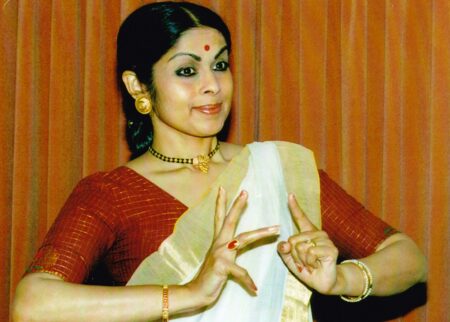
Tara Rajkumar writes on the the post-colonial dynamics of Indian classical dance and how it helped her traverse different cultures and continents.
Tara Rajkumar writes on the the post-colonial dynamics of Indian classical dance and how it helped her traverse different cultures and continents.
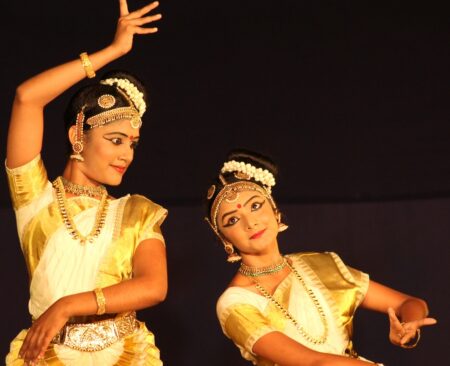
Mayoora pada follows the foot work of a peacock and trains the dancer to be as emotive as the fanned-out feathers of the bird
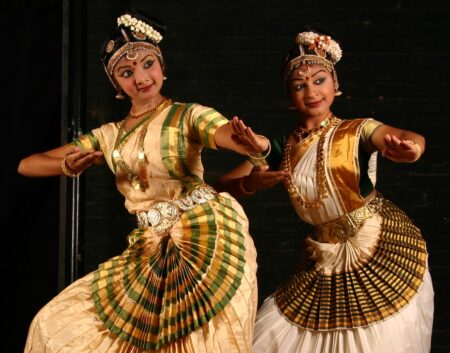
The rooster takes on various meanings in rural India. Its role in Mohiniyattam
is noteworthy
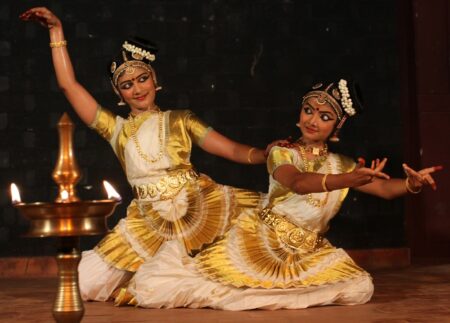
Swan represents various philosophical and spiritual notions in Hinduism. Swan movement in Mohiniyattam is very gentle and beautiful.
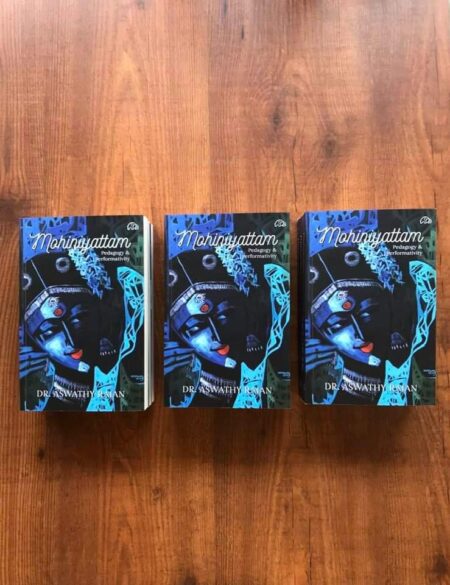
In the book, Mohiniyattam, Pedagogy and Performativity, Aswathy Rajan argues the dance is still under a feudal halo.
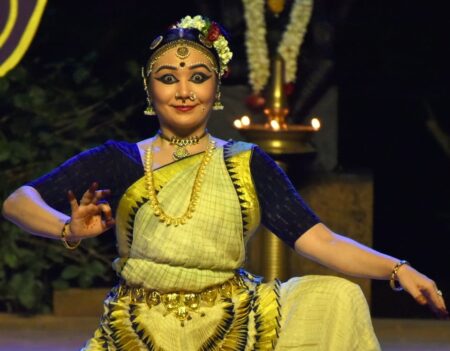
Mandalas are one of the important sources of Mohiniyattam’s creative semiotics
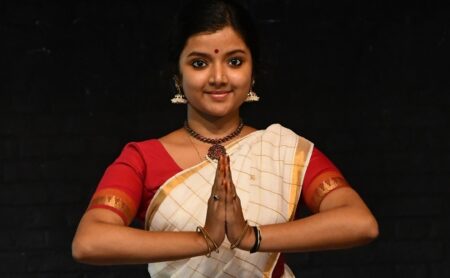
The divine salutation is the starting point not just in dance, but also in humility and gratitude.
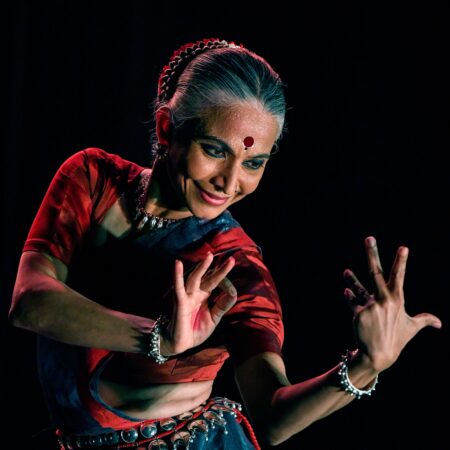
The skill and technique of the various dance forms are imbued with memories of past times, specific history and cultural ethos, says Odissi dancer and teacher Bijayini Satpathy.
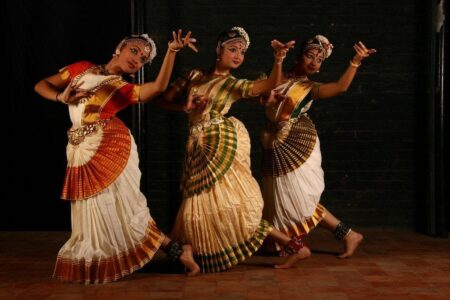
The centuries old guru-shishya tradition, sacred to Mohiniyattam and other classical art forms, continues to be the first step to initiation even today.
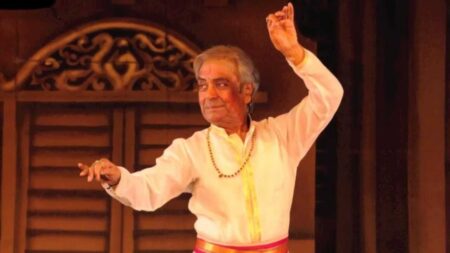
A name synonymous with Kathak, Pandit Birju Maharaj created a style that had vigour, lasya and bhava.