
A nuanced Bharatanatyam recital marked by classical richness.
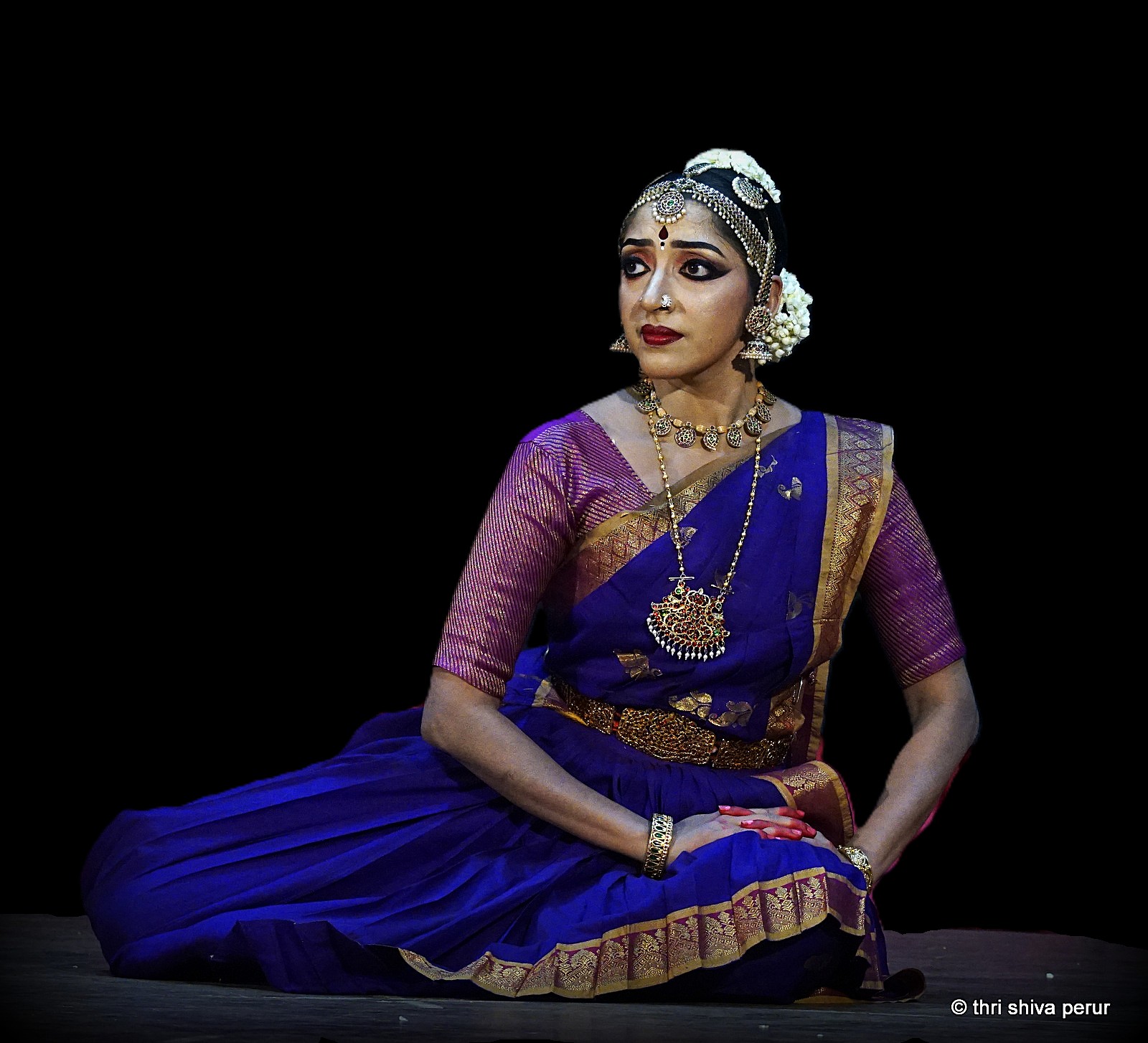
After a prolonged period of inactivity, Bharatham, the Thrissur-based cultural organisation, has gradually re-emerged on the classical arts circuit, reaffirming its long-standing commitment to Indian dance traditions. Over the past two decades, Bharatham has played a significant role in promoting classical dance through national-level festivals, workshops, and seminars, many of which addressed deeply researched and thematically rigorous aspects of the form. Its recent presentation of Bharatanatyam dancer Urmila Mullappilly marked a welcome return to performance programming, distinguished by a thoughtfully curated and varied repertoire.
She opened with the Ganesha Sthuti for which the most popular composition of Muthuswamy Dikshitar, “Maha Ganapathim” in Natta and adi was taken. Sure, it served as a harbinger of her terpsichorean artistry.
A repertoire that balanced rarity and classicism
Urmila Mullappilly sprang a surprise by presenting the near-extinct “Mysore Jati”, choreographed by the doyenne K Venkatalakshamama of the 19th century for performances in the royal court and temples. Noted for its intricate rhythmic series and alluring adavus, it was composed in Hamsadhwani and chaturasra ekam (four beats). Urmila’s acute sense of rhythm coupled with soft footwork added grace to this number.
“Vrindavani Venu” is a Marathi Abhang composed by Sant Bhanudas in Bhimpalasi and adi. Presented as a bhajan, it describes how the melodious music from Krishna’s flute conquers the entire forest. The description of the forest with animals and birds like peacock, by Urmila was impressive. With sticks in her hands and a yellow skirt clad over the costume was enough to portray a Gopika.
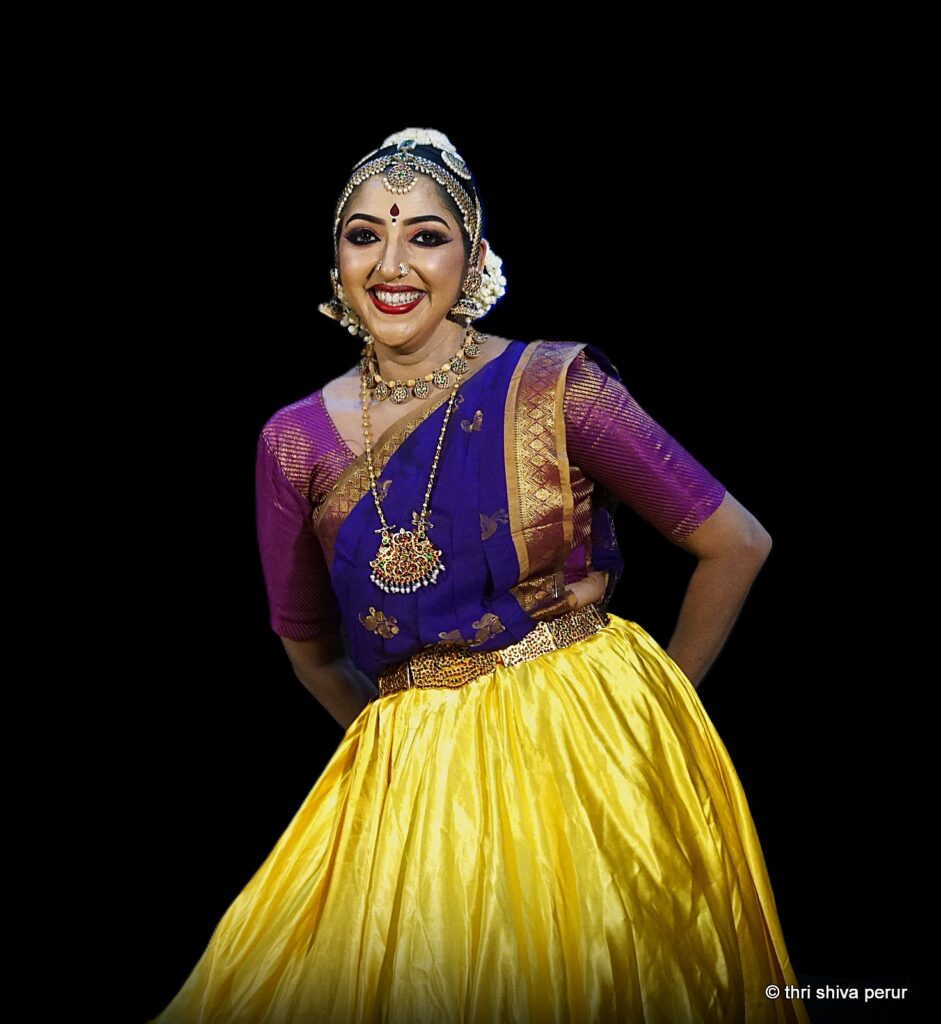
The famous Lalgudi Varnam in Charukesi, “innum en manam” is a dream of any Bharatanatyam dancer. The nayika yearns for Krishna who seems to have forgotten her. She asks, “Are you acting like not knowing my mind? Will you not alleviate my grievances?” The number brought out the dancer’s histrionic potential as a virahotkhandita nayika in full. The sancharis were also captivating. Notable was the balance between nritta and nruthya. Choreography by Kalakshetra Arun Shankar was superb.
Abhinaya and rhythm
For padam, Urmila Mullappilly took Pattanam Subramania Iyer’s Saveri composition “Idei vide innum vere” which is a romantic miff between Devasena and Karthikeya. She waits impatiently for him but finally when he turns up, she understands that he was frolicking with other women. And a furious Devasena slapped the door on him. The number gave enough scope for Urmila to demonstrate her abhinaya potential once again. Commendable was her mukhabhinaya.
“Kuravanchi” is basically a dance-drama that blends both classical and folk elements. Urmila presented a part of this that narrated the beauty of nature of the village of Kutrala with its hills and greenery. While classical dancers in Kerala are generally averse to folk, Urmila deserves congratulations for including it in the repertoire. The jumping rhythms and alluring lines were attractive. She wound up with a Lalgudi tillana in Kadanakuthuhalam.
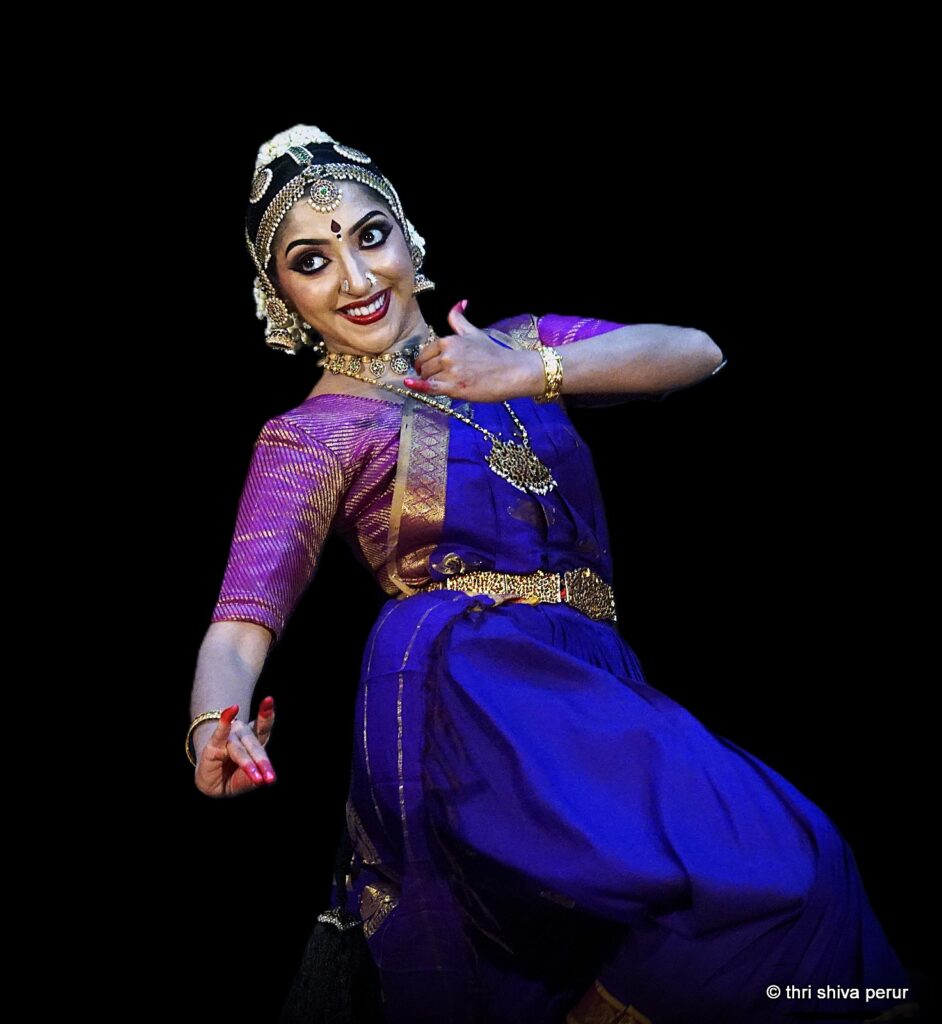
Stability of the postures geometrically formed adavus and attractive footwork were especially noteworthy. One felt her torso movements should have been more.
The performance of the accompaniment artistes was admirable. They included Sisira Das, her guru (Nattuvangam), Sruthy Chandrasekhar (Vocal), Naveen Anandh (Mridangam), Biju Annamanada (Veena)and Nikhil Aynoor (Flute). Sisira Das herself had choreographed some of the items.
A postgraduate in Bharatanatyam from Reva University, Bengaluru, she is currently pursuing her PhD from Alliance University. She has performed in many of the national festivals.