
BRICS nations meet in Varanasi to set new terms for AI, artefact repatriation and climate-resilient heritage with direct stakes for Indian artists.
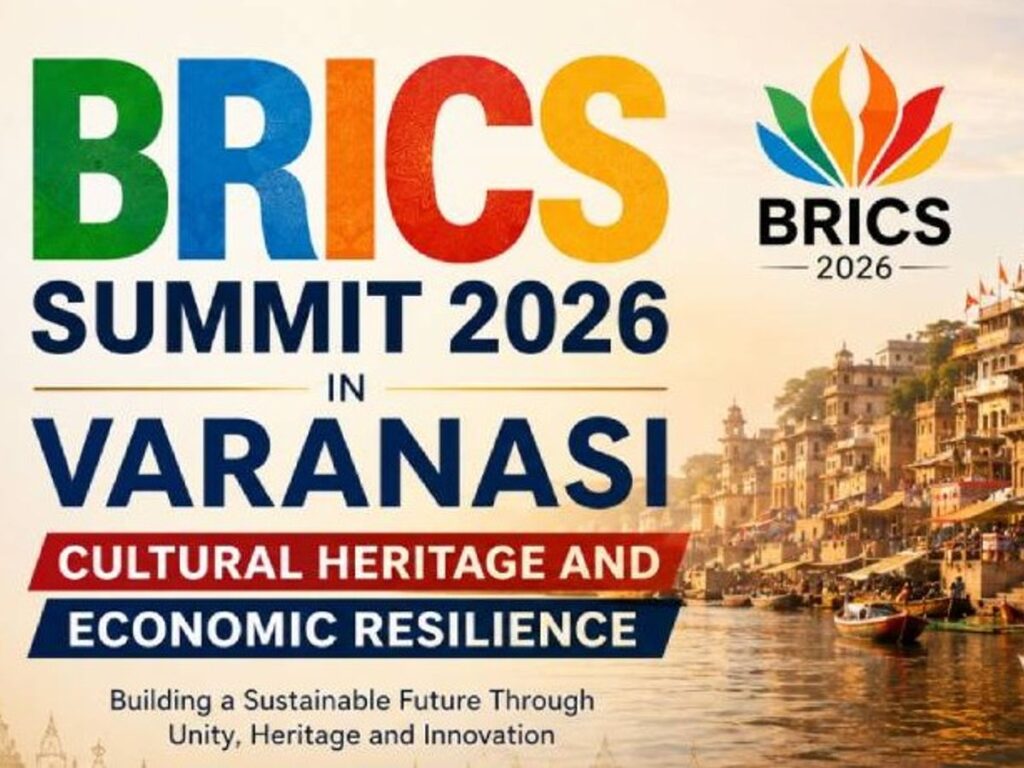
When representatives from 11 countries gathered in Varanasi earlier this month for the BRICS Culture Working Group meeting, the discussions went far beyond cultural exchanges and festival collaborations. Instead, they focused on a question that is becoming increasingly important for museums, artists, archives and heritage institutions around the world: how can culture be protected in an age shaped by artificial intelligence, climate change and the growing demand for the return of looted artefacts?
BRICS a grouping that includes Brazil, Russia, India, China, South Africa and six newer member nations has traditionally been associated with economics and trade. But in recent years, culture has emerged as an important area of cooperation.
Delegates identified three areas that require urgent attention: the impact of Artificial Intelligence on culture and creative industries; the protection and return of cultural heritage; and the relationship between culture, climate change and sustainable development. Among these, the discussion on AI may prove the most consequential.
When culture becomes data
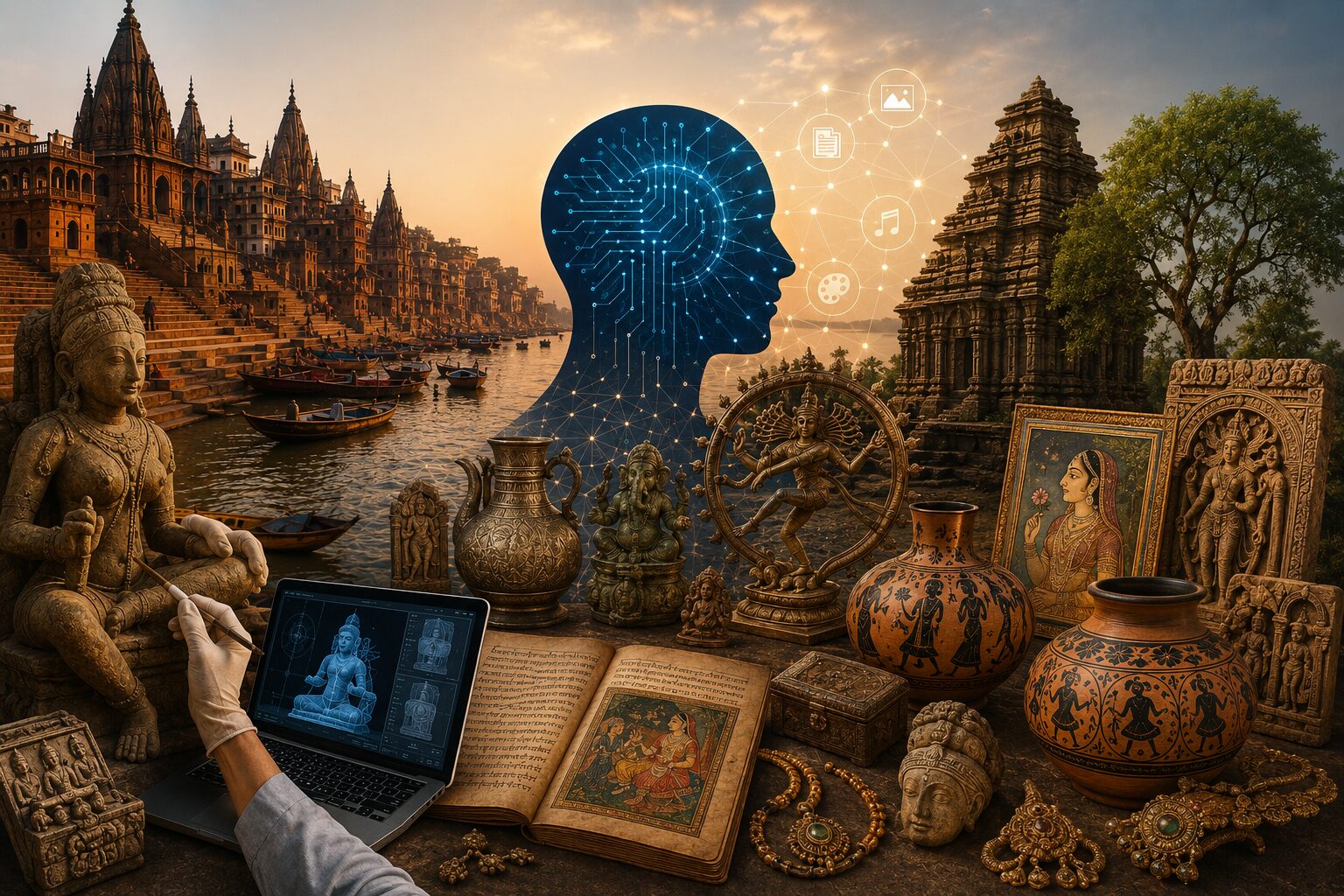
Around the world, museums are using artificial intelligence to catalogue collections, restore damaged objects and make archives more accessible. Libraries are experimenting with AI-assisted translation tools, while artists are exploring new ways of creating images, music and performances with digital technologies.
These developments offer exciting possibilities. A fragile manuscript can be digitally restored. A sculpture can be documented in three dimensions. Rare archival material can become accessible to researchers and the public at the click of a button.
But there are also concerns. Much of today’s generative AI is trained on enormous quantities of text, images, music and other cultural material. As a result, artists and cultural institutions are increasingly asking who owns this data, who benefits from it and whether creators should be compensated when their work is used to train AI systems.
For India, these questions carry particular weight. The country possesses one of the world’s richest cultural archives, including everything from temple sculptures and miniature paintings to oral traditions, manuscripts, folk arts and classical performance practices. As these materials are digitised, they become part of a vast reservoir of cultural knowledge that can potentially be accessed and reused by AI systems.
The concern is not simply technological. It is cultural. How can heritage be made accessible without losing control over how it is interpreted, reproduced or commercialised? This is why BRICS members have emphasised the need for ethical and inclusive AI that respects cultural diversity, intellectual property and the rights of creators.
For artists, the AI debate is no longer a future concern.
Writers, musicians, designers, photographers and visual artists across the world have expressed concern that their work is being absorbed into AI training datasets without permission. As AI-generated images, music and text become increasingly sophisticated, questions of attribution and compensation have become more urgent.
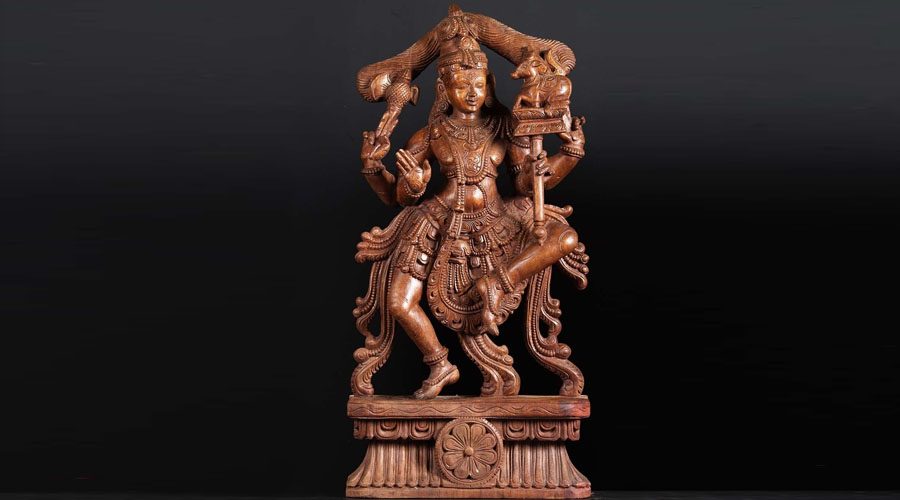
The BRICS discussions highlighted the need to protect artists’ rights while ensuring that technological innovation continues. For India’s creative sector, this could eventually lead to stronger frameworks around copyright, licensing and the use of creative works in AI systems.
Why artefacts matter beyond museums
The meeting also focused on another issue that has gained momentum in recent years: the return of artefacts removed during colonial rule, conflict or illegal trafficking.
For decades, museums and governments around the world have debated the future of objects taken from their places of origin. India has been particularly active in seeking the return of stolen idols, sculptures and antiquities from collections overseas.
BRICS countries reiterated that the return of cultural property is not merely a diplomatic issue but one of historical justice. Repatriation, they argued, helps restore cultural memory and reconnect communities with their heritage.
For museum professionals and historians, this debate is about more than recovering objects. It is about recovering stories, contexts and histories that were disrupted when artefacts were removed from the communities that created them.
Interestingly, the debates around AI and repatriation are connected. Both are ultimately concerned with ownership. One focuses on physical objects. The other focuses on cultural knowledge in digital form. In both cases, the central question is who has the right to control and benefit from cultural resources.
The third major theme was climate change. Rising temperatures, extreme weather events and environmental degradation are increasingly threatening heritage sites, museum collections and living cultural traditions. From coastal monuments facing erosion to traditional practices affected by changing ecosystems, culture is becoming an important part of climate conversations.
Delegates emphasised the value of traditional knowledge systems in addressing environmental challenges. In India, this includes indigenous ecological practices, traditional water-management systems, vernacular architecture and craft traditions that embody sustainable ways of living.
The growing recognition of culture within climate policy reflects an important shift: heritage is no longer viewed only as a legacy of the past but also as a resource for the future.
Culture is becoming a more prominent part of international policymaking. What makes the discussions particularly significant for India is that they place artists, museums, archives and heritage institutions at the centre of debates about technology, sustainability and cultural rights.
The next stages of the BRICS cultural programme will include a meeting in Bhopal, a BRICS Culture Festival, a Culture Ministers’ Meeting and a BRICS Theatre Festival in Delhi later this year.