
A pioneering all-women Kathakali troupe celebrates five decades of quiet revolution and cultural resilience in Tripunithura.
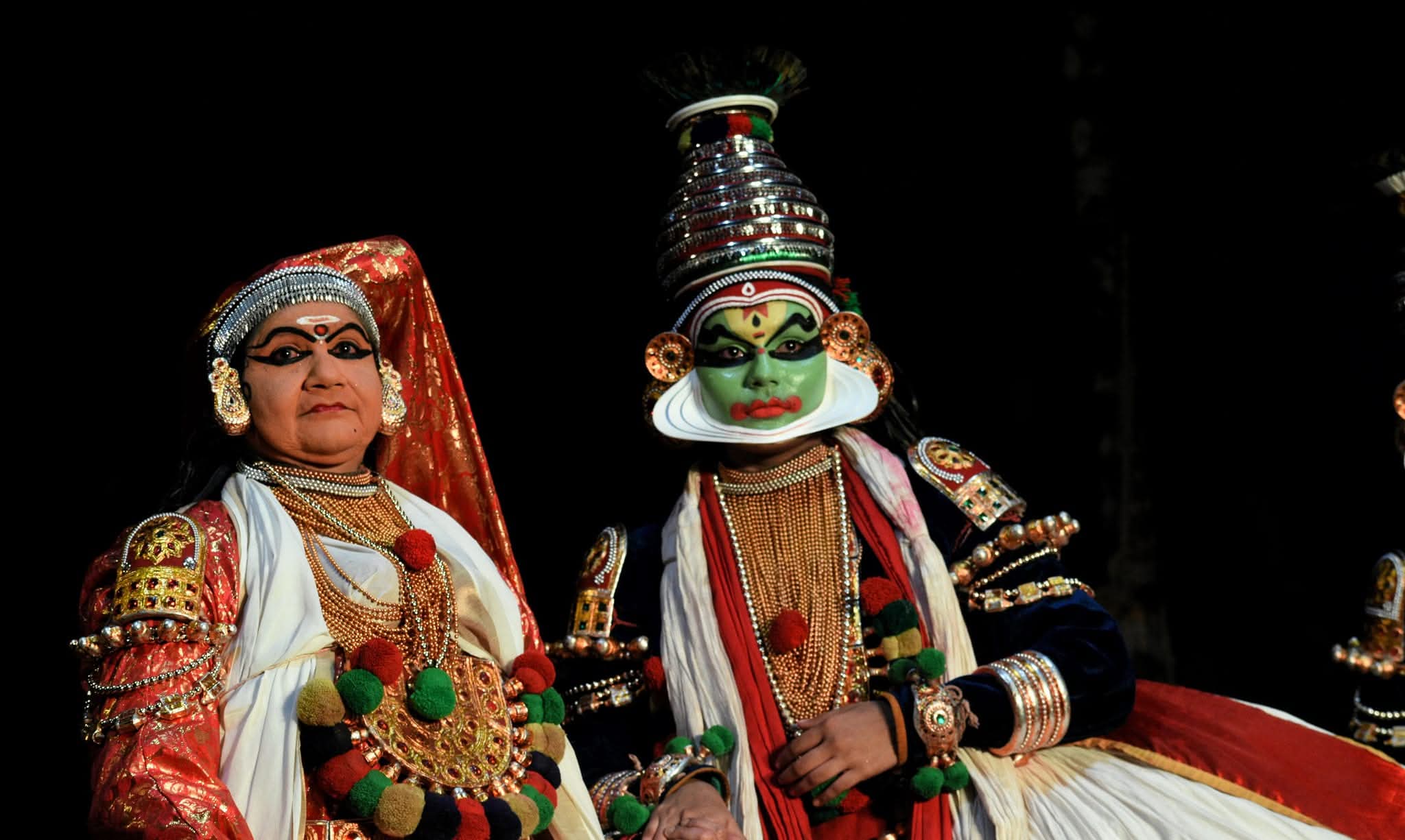
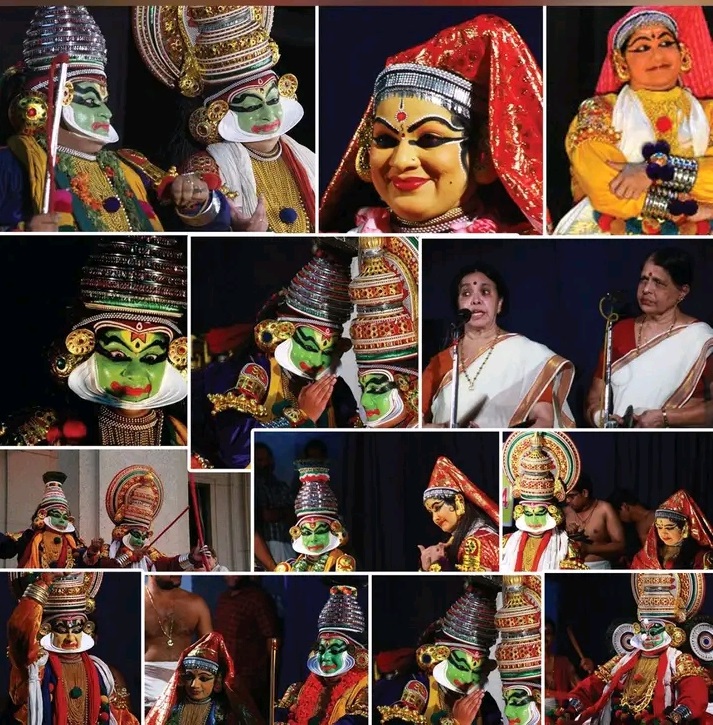
On July 12–13, the Kalikotta Palace in Tripunithura will resonate with the rhythm and grandeur of Kathakali—not in its conventional masculine register, but in a voice that has been steadily asserting itself for fifty years. Tripunithura Vanitha Kathakali Sangham, the country’s first all-women Kathakali troupe, is celebrating its golden jubilee, with a two- day programme, Suvarna Sushamam, marking a remarkable journey of quiet revolution and artistic commitment.
It all began in 1975. In the cultural heart of the royal city of Kochi, an unprecedented event unfolded. A women-only Kathakali performance—Kalyanasougandhikam—was staged, featuring Radhika Varma as Bhima and Sreemathi Antherjanam as Hanuman. Meera Varma portrayed Panchali, while Shailaja Varma captured attention as the fiery Bhima in the iconic Souryagunam scene.
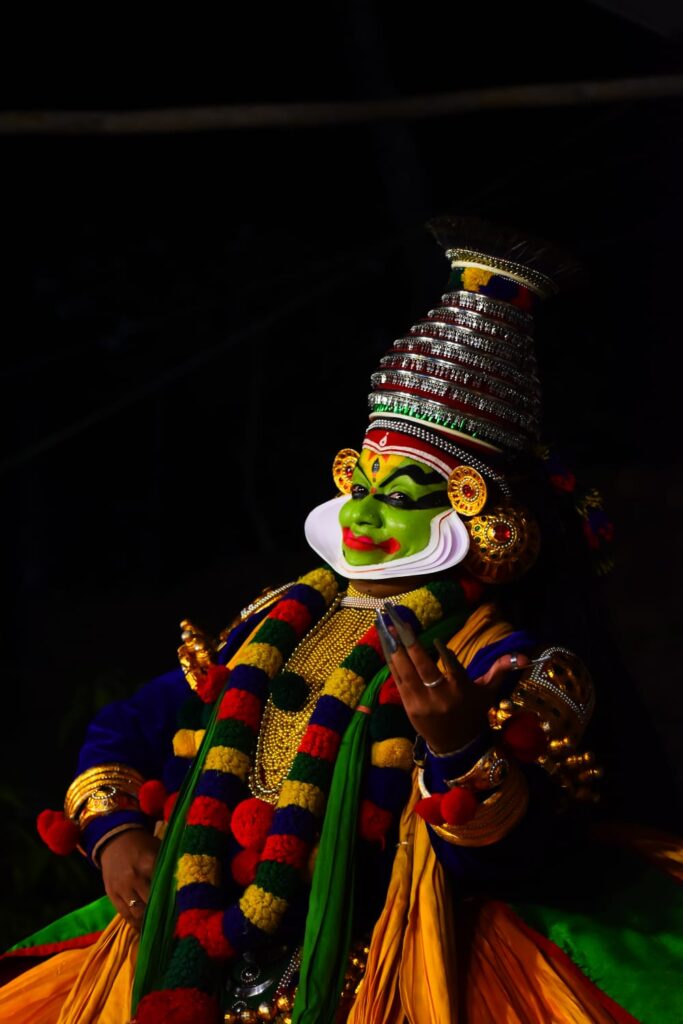
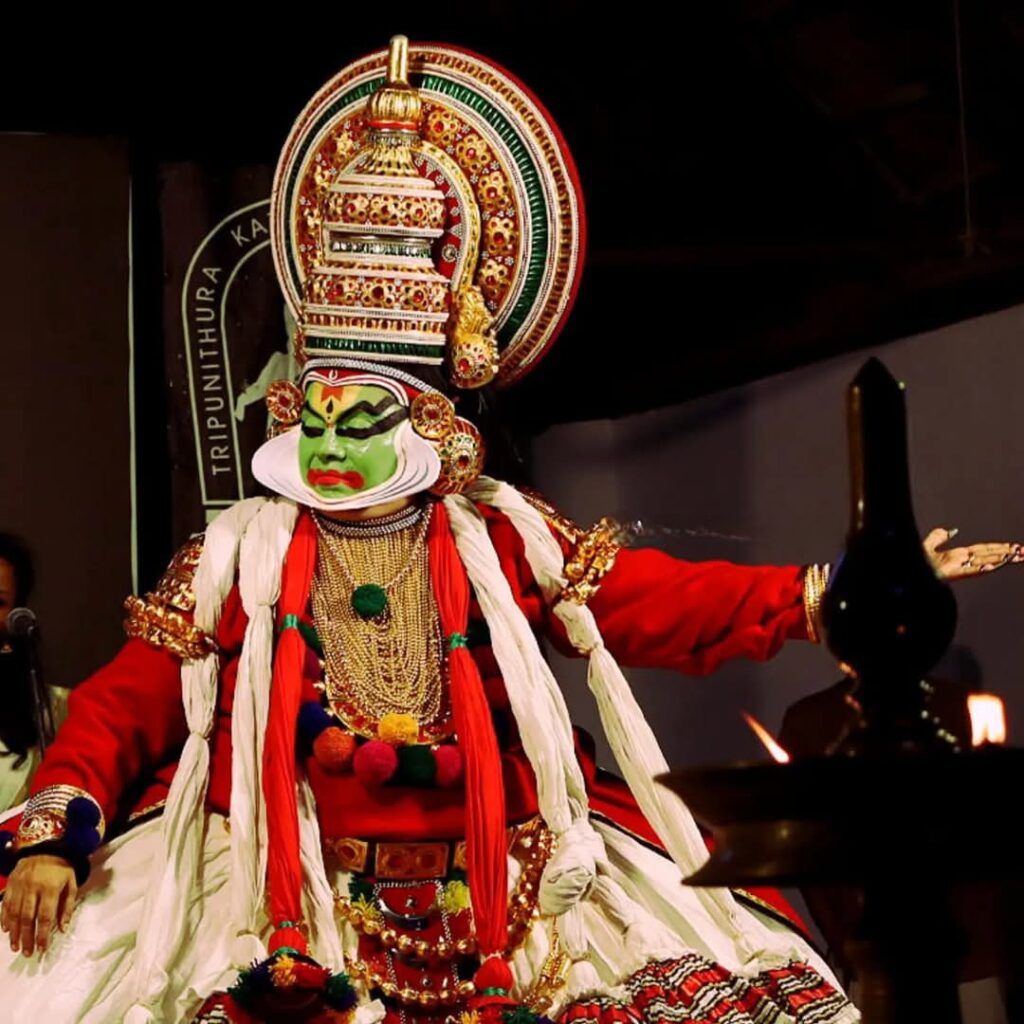
The background score—traditionally dominated by men—was provided by sisters Padmini and Nalini from Gandhiseva Sadanam. Perhaps most striking was the presence of ‘Navaranggam’ Vijayamani on the chenda, her powerful beats announcing not just a storm on stage, but a cultural upheaval off it.
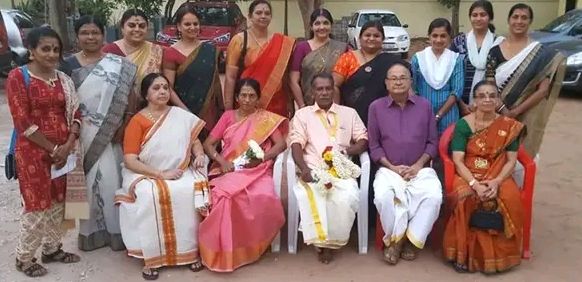
This performance was no mere curiosity. It was the seed of a movement. Driven by the passion of young women from the royal household, many of whom had tasted stage life through school and college youth festivals, the idea of a women-only Kathakali troupe was born. With the blessings of the legendary Padma Shri Kalamandalam Krishnan Nair, and the encouragement of senior Kathakali aficionados, a dedicated training centre was established in Tripunithura.
Breaking ground, facing resistance
As more women from in and around Tripunithura joined the Vanitha Kathakali Sangham, the idea of a formal troupe took shape. It wasn’t an easy road. Dismissed by some as a “pastime for royal girls” and viewed with suspicion by orthodox critics, the troupe had to earn every inch of its space. But their perseverance bore fruit. With 30–35 performances a year, they began drawing serious attention—and admiration—from seasoned rasikas.
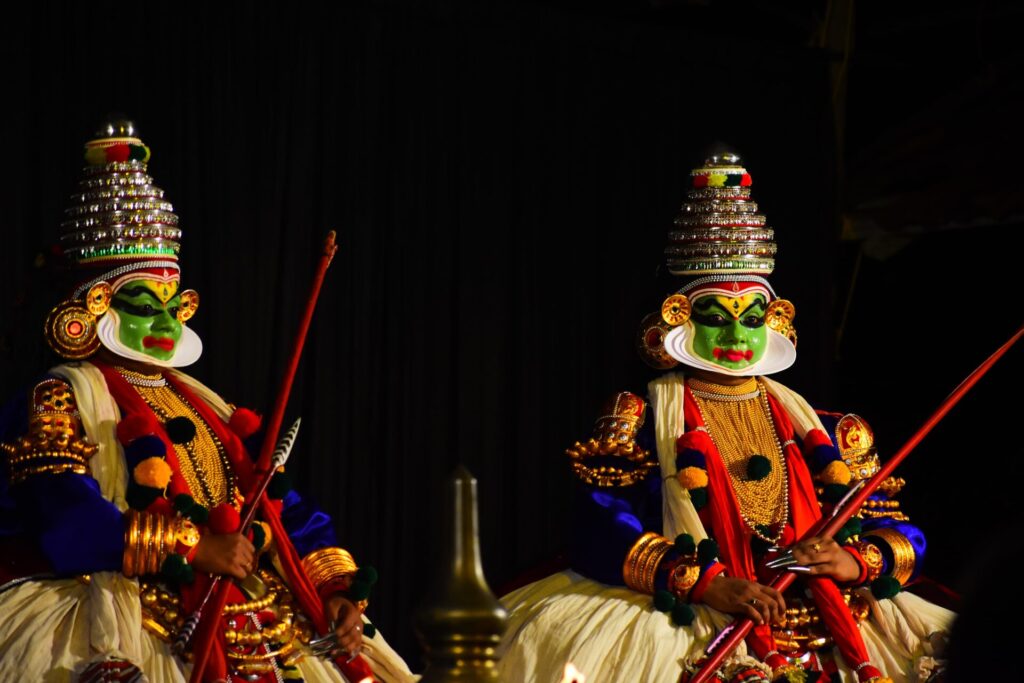
Radhika Varma and Sreemathi Antherjanam emerged as pioneering figures, soon joined by a growing cohort of passionate performers. Geetha Varma, Jayashree Pulloor, Parvathi Menon, Prameela Vijayan, Radhika Ajayan, and Geetha Irinjalakuda became prominent names. The iconic Chavara Parukutty, often regarded as the first full-time professional female Kathakali artist, was an integral part of the troupe’s evolution. Alongside her were Kottarakkara Ganga and Bhadra. At the helm was Sathi Varma, a strong and capable leader whose disciplined stewardship gave the ensemble its early shape and rigour.
Expanding horizons
With male artists still supporting percussion, makeup, and costume, the women’s troupe performed nearly every major Kathakali play. Radhika Varma and Geetha Varma specialised in pacha roles, with Geetha also shining in chuvannathadi. Parvathi Menon took on kathi and vellathadi characters, while Radhika Ajayan brought life to kari and kattala. Krishna and minukku roles were portrayed with grace by Prameela and Suma Varma. Vocal support came from Kumari Varma and Shailaja Varma.
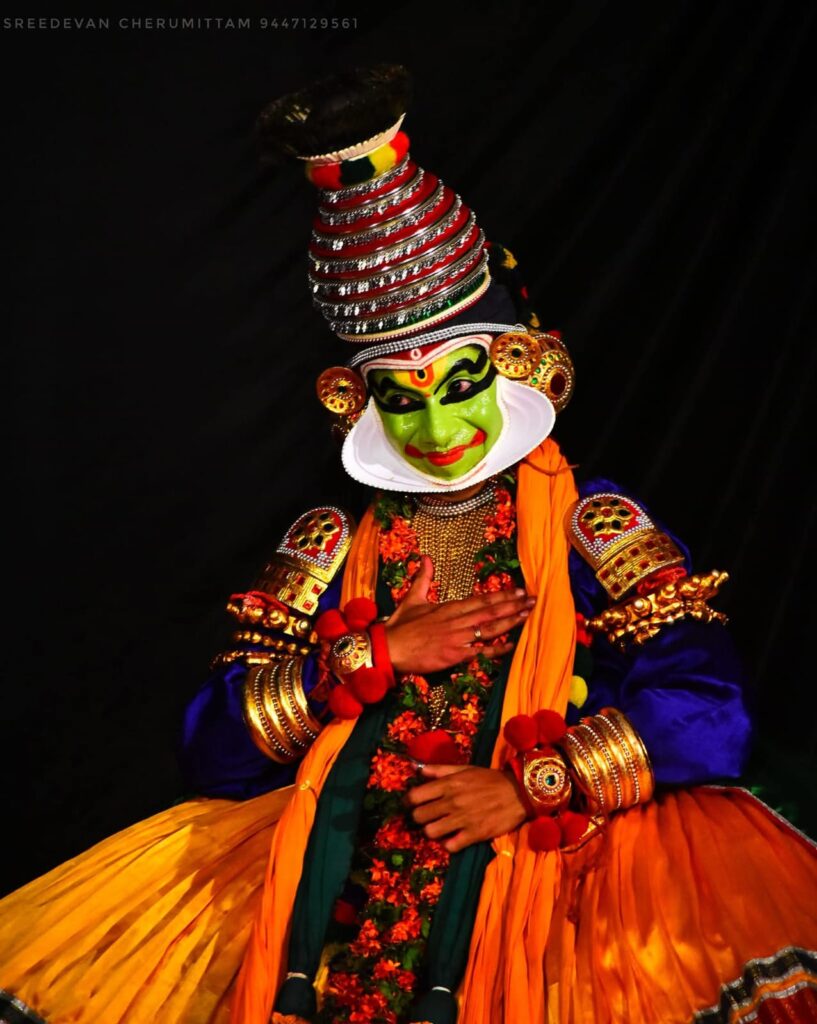
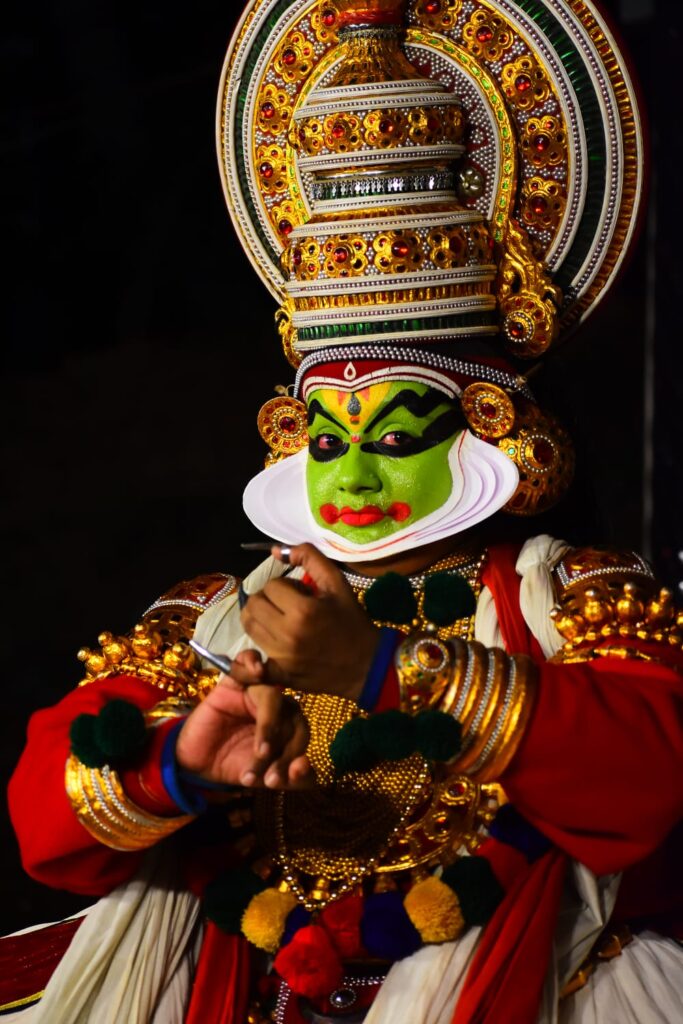
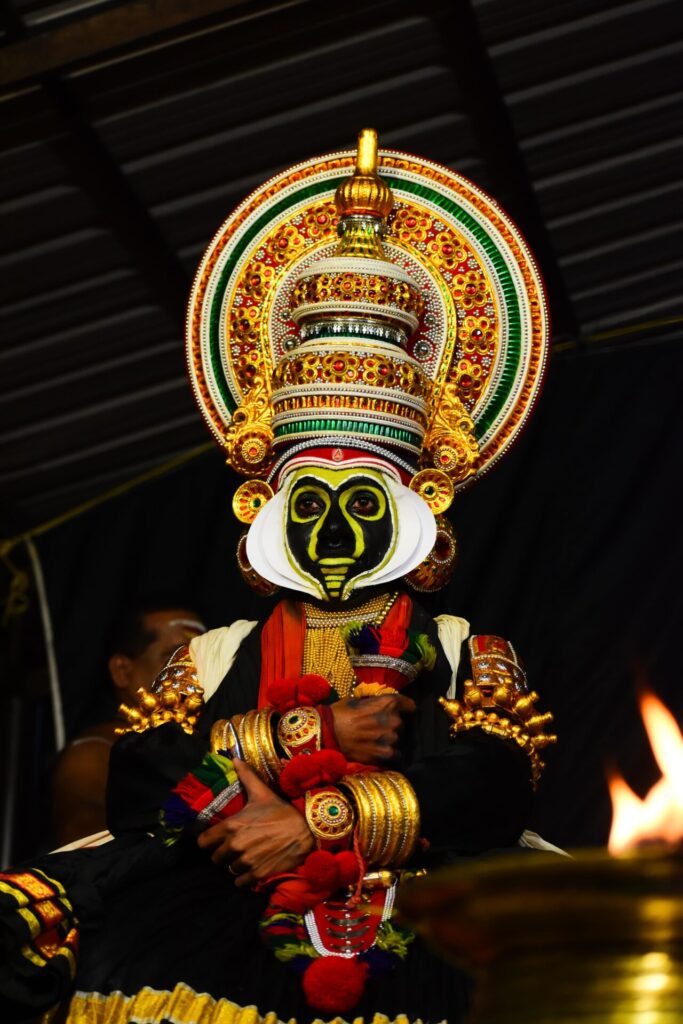
By the early 2000s, a generational shift brought fresh energy. Young artistes like Renjini Suresh, Haripriya Namboodiri, and Maya Nelliyode joined the ensemble. Renjini, who inherited a legacy of Kathakali, transformed the stage with her commanding portrayals of Ravana, Narakasura, and Keechaka. Haripriya, the first woman Kathakali artiste to earn a PhD, redefined the scope of stylised female roles such as Urvashi and Lalitha.
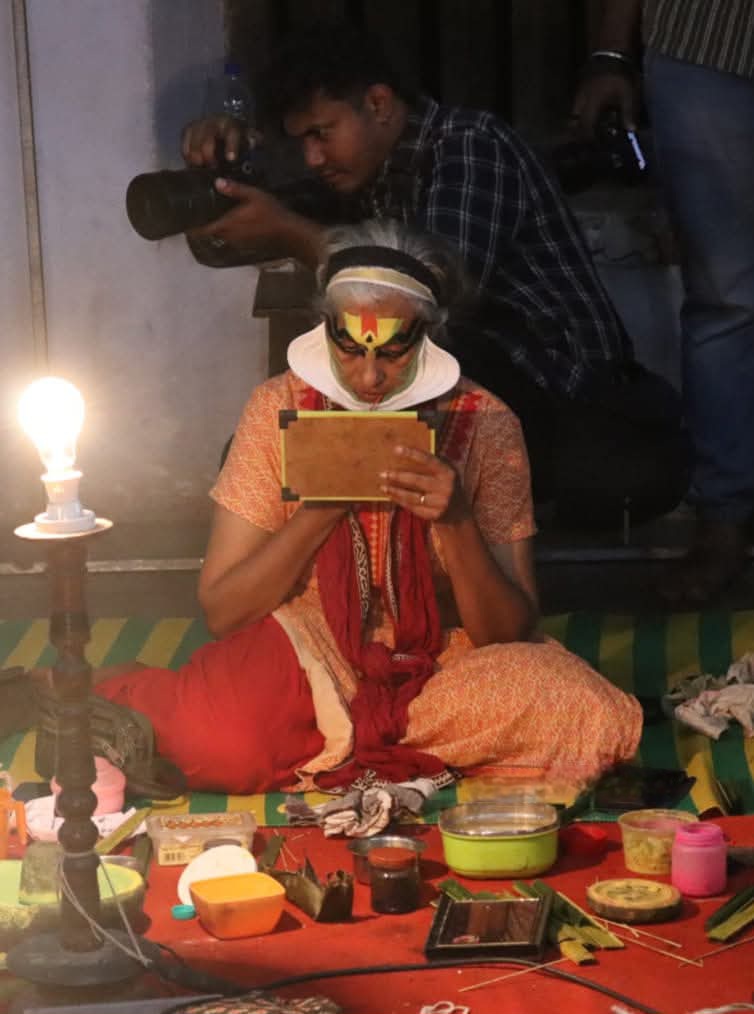
Parallelly, the musical wing witnessed a similar transformation. Voices like Deepa Palanad, Meera Ram Mohan, and Kshama Raja began to be heard, enriching the Kathakali soundscape and breaking gender stereotypes.
Legacy and the new wave
In recent years, the landscape has shifted dramatically. An increasing number of young girls have begun their Kathakali journeys, emboldened by the path paved by the Vanitha Sangham. Today, artists like Priya Namboodiri, Arya Parapore, Induja Cheruliyil, Saranya Premdas, Narmada Vasudevan, and Nandana Thekkumpat represent a new wave of excellence and promise.Archa Gowri Varma, daughter of Geetha varma is another promising young artist, who follows her mother’s footsteps by doing ‘pacha’ veshams.
Priya has mastered the textbook style of kathi and vellathadi roles. Arya, a versatile performer like Renjini, is credited as the first woman to portray Parasurama on a Kathakali stage. Induja brings lyricism and subtlety to both male and female characters. Saranya, a postgraduate from Kerala Kalamandalam, electrifies the stage with her chuvannathadi roles. Narmada and Nandana, the youngest of the group, have shown equal flair across a wide range of characters.
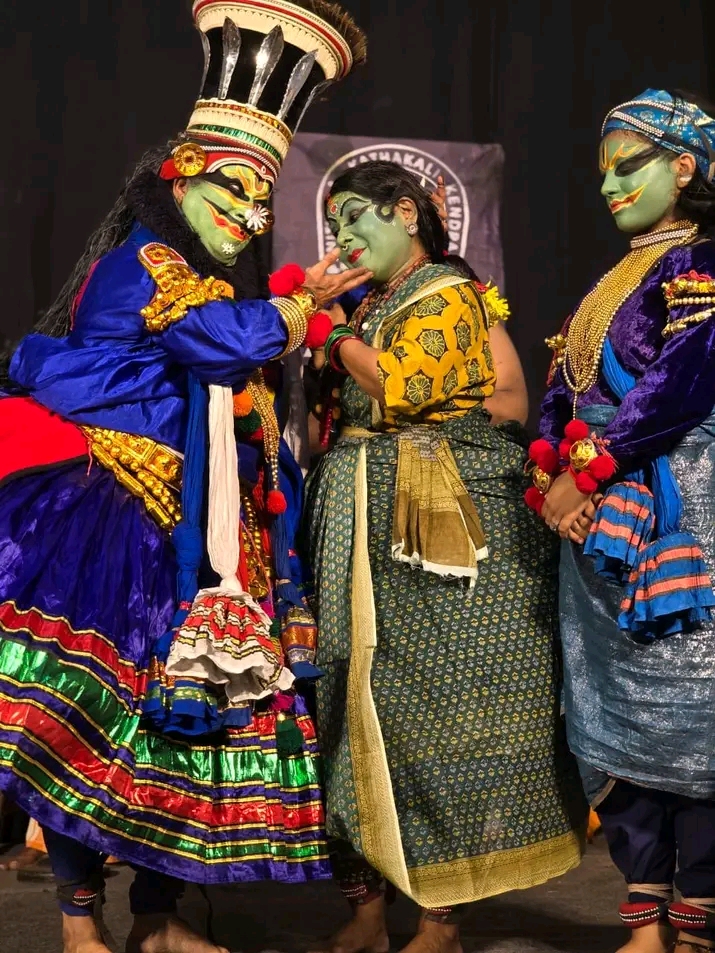
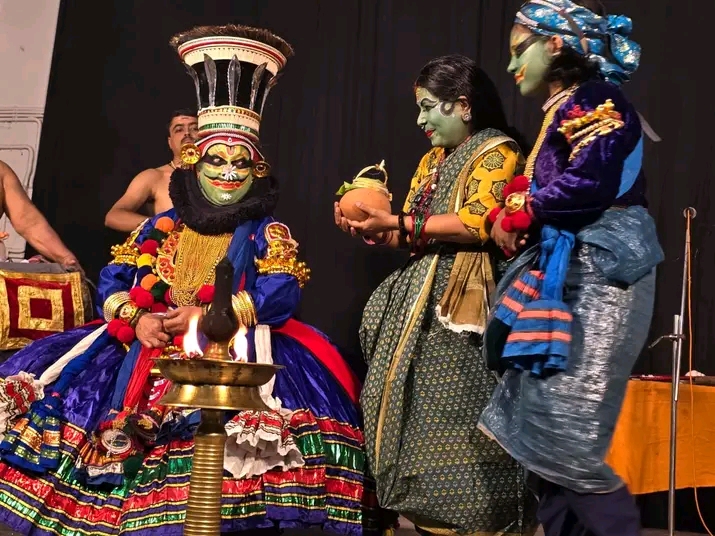
Other contributors like Roshni Pillai (now in the US) and Jayanthi K.R. have also been associated with the troupe, adding to its depth and diversity.
As the Vanitha Kathakali Sangham celebrates its 50th year, it stands not only as a troupe but as a cultural movement. Its contribution may not always be in the realm of experimentation, but it has profoundly altered the cultural narrative—by claiming space, dignity, and excellence for women in a deeply traditional, male-dominated artform.
What began as a royal experiment is now a legacy. A golden chapter in the story of Kathakali—and a continuing saga of commitment, courage, and craft.
Photos: Sreedevan Cherumittam, Akshaya N K, Vanitha Kathakali Sangham Archives