
Celebrating resilience, art, and the strength to overcome.
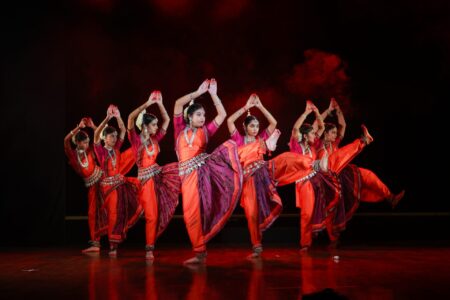
On behalf of Asavari, Guru Shovana Narayan and Dr. Jyotsna Suri presented the 24th edition of the Lalit Arpan Festival, themed “Antah Shakti” — celebrating courage and hope. Dedicated to cancer survivors who have triumphed over adversity with resilience and grace, the two-day festival was held on the 8th and 9th of October at the Stein Auditorium, India Habitat Centre, New Delhi.
The festival was inaugurated by Lt. Governor Vinai Kumar Saxena and Sangita Saxena. He said, “This festival is of particular significance, as some of the leading performers are cancer survivors who have gone through varied stages of cancer and have emerged victorious and healthy. The credit goes to Guru Shovana Narayan and Dr. Jyotsna Suri for having provided the dancers a platform and also encouraging them to perform again.”
Founder-director of Asavari, Padmashri Shovana Narayan, said, “We have dedicated the 24th edition of the Lalit Arpan Festival to cancer survivors for the simple reason that to survive and fight back against this dreaded disease is not easy. You need to have the zest for life and the desire to live healthy and happy, for which you have to be mentally prepared to look at life with an optimistic perspective. It is said that your mind can become your friend or your enemy; it all depends on your mental conditioning. If you have the courage and determination to move forward against all types of problems, you will definitely proceed further and emerge victorious.”
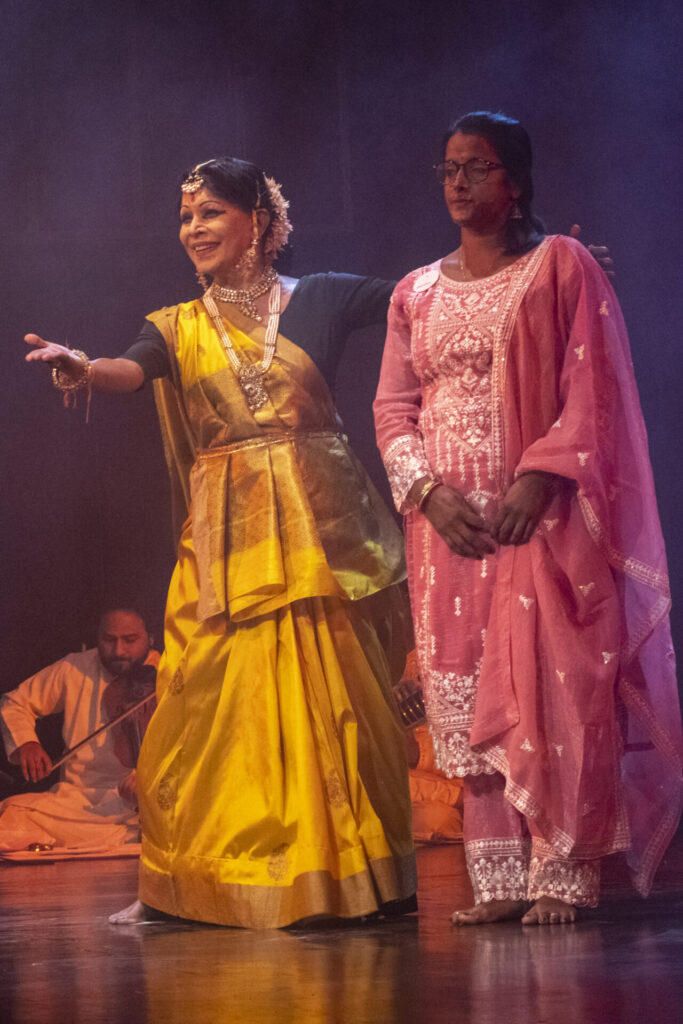
Stories of strength and survival through dance
The festival commenced with “Agni Pankh” (Wings of Fire), presented in three sections by Shovana Narayan and Shruti Gupta. The production portrayed three individuals — a hospitality worker, an autistic person, a transgender, and an acid attack survivor — reflecting on their life journeys and how they transcended hardship.
“Bhasmibhoot” narrated the story of Kalpana, an acid attack survivor, symbolising resilience and rebirth — a powerful metaphor for feminine strength and transformation through trauma. The second act centred on an autistic boy who finds peace through music, his piano playing bringing harmony and emotional balance. The third presentation, “Tu Who Nahi” (You Are Not That One), explored the story of a mother who learns her child is intersex and ultimately embraces them as a divine gift, challenging societal prejudice.
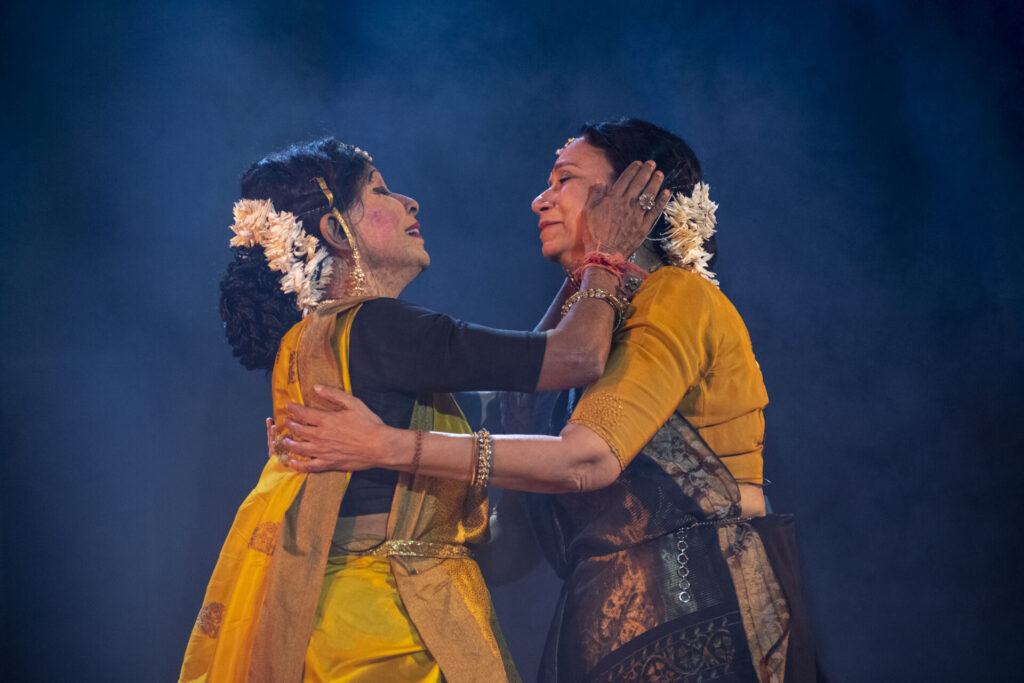
The performance featured evocative abhinaya by Shovana Narayan and soulful vocals by Pt. Madho Prasad. The concept was conceived by Dr. Jyotsna Suri, with direction and choreography by Shovana Narayan. The musical ensemble included Shakeel Ahmed Khan (tabla), Mahaveer Gangani (pakhawaj), Azhar Shakeel (violin), Salim Kumar (sitar), and Aditya Gangani (handsonic), with lighting by Nitin Jain.
Art as healing
The first day also featured an elegant Kathak recital by Nritya Shree Alaknanda, herself a cancer survivor. “I am not here to talk about my problems,” she said. “But if you tell a bank you are a cancer patient, your loan will never be approved.”
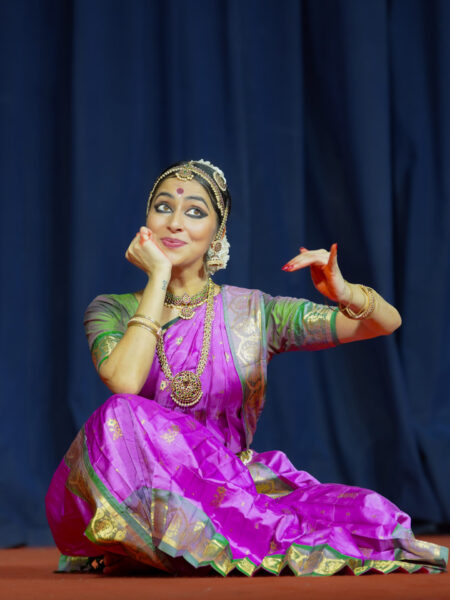
Alaknanda’s performance radiated grace and poise, beginning with Tagore’s “Ekla Chalo Re” (Walk Alone), urging self-reliance and inner strength. Set to Teen Taal of 16 beats, her rhythmic precision and expressive thaat and ghungat gats sparkled with nazakhat. She concluded with the thumri “Mohe Chedo Na, Nandlala” (Do not tease me, Krishna), revealing Radha’s playful anger and the hues of Holi.
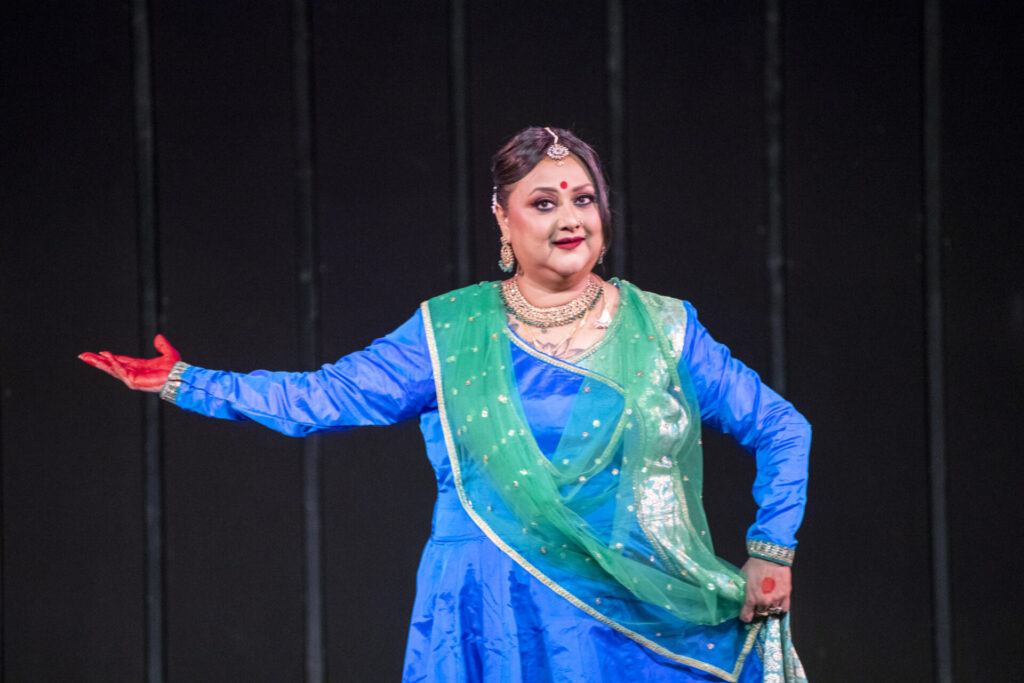
Her musical accompaniment included Brijmohan Parihar (vocal), Yogesh Gangani (tabla), Asish Gangani (pakhawaj), Mohammed Ayub Khan (sarangi), and padant by Nehi Kaul.
Dance as dialogue
The second day featured dynamic Kathak dancer Akshobhya Bhardwaj from Mumbai, who has survived the third stage of cancer through sheer willpower and devotion. He believes the essence of life lies in “Prarthana” (prayer) and “Prayaas” (effort).
His presentation, “Parkaya” (Masculine Shell, Feminine Frame), drew upon the Ardhanarishvara concept — the coexistence of masculine and feminine energies. Through dance, drama, and vachika abhinaya, he posed bold questions: Why is dance often seen as feminine when the shastras say otherwise? Why do male classical dancers still face prejudice? In a deeply moving performance, he explored stigma, abuse, and acceptance, leaving the audience profoundly moved. Akshobhya’s powerful expression and stage presence earned him a thunderous ovation.
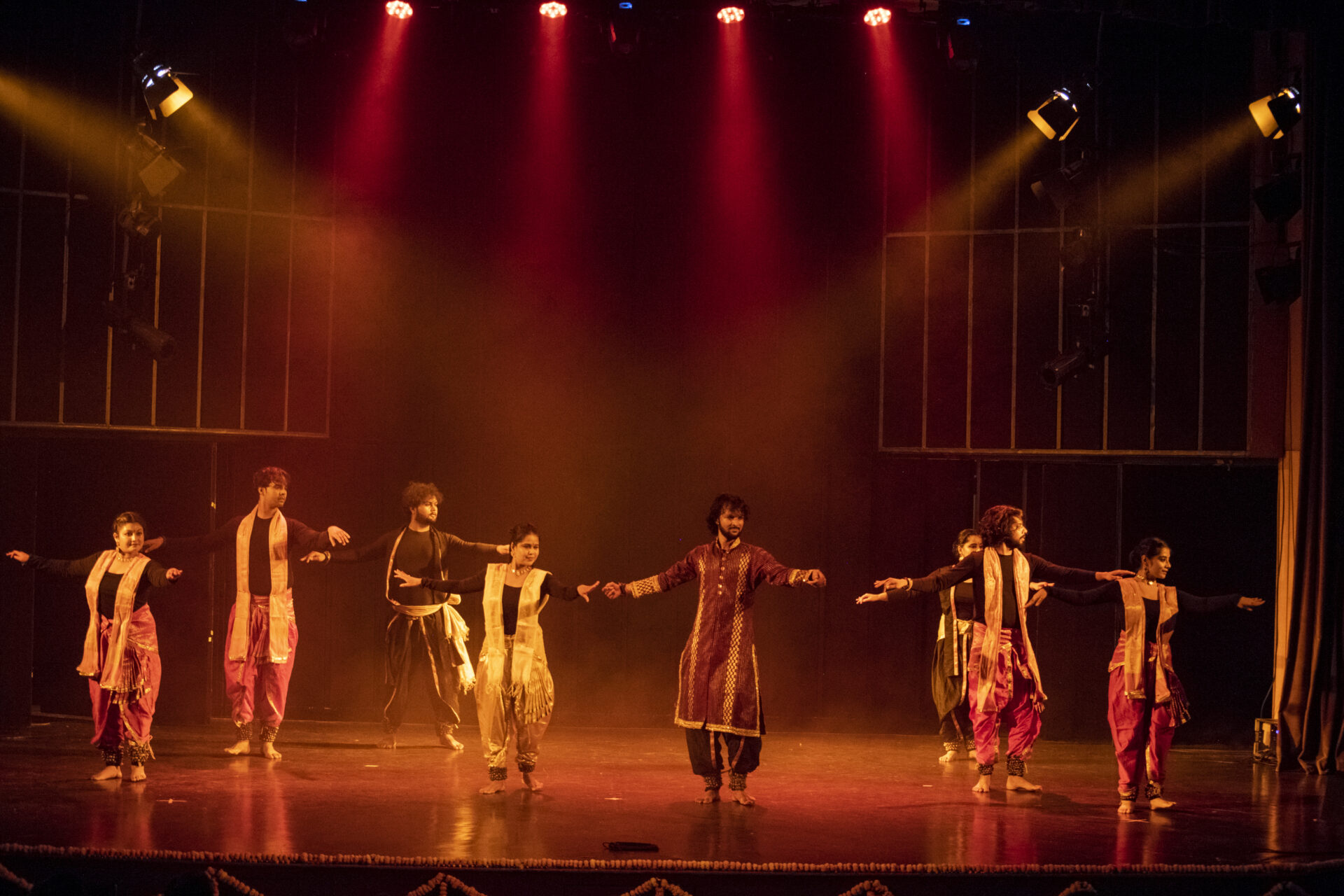
The festival concluded with the Asavari presentation “Rashmirathi” portraying the life of Karna, based on the rendition of Rastriya kavi Dinkar, who was abandoned by birth by his unwed mother Kunthi, raised by a charioteer but ultimately emerged as a powerful and victorious warrior. The dancers featured in this presentation were Komal Biswal (as Karna), Pallavi Lohani(as Krishna). Suparna Singh, Mahima Satsangi, Ruchi Arya, Anil Kumar, Pravin Parihar, Ashish Kathak, Vishal Chauhan and Mayank Gangani. While some of the male dancers were quite good I could not understand as to why the leading characters of Karna and Krishna were enacted by female dancers and not male dancers.
The powerful role of Kunti was enacted by Shovana Narayan. The compere for the festival was Prerana Kumar, Lights by Nitin Jain, Music by Jwala Prasad , Madho Prasad and Rashi Rohtak Khan. Special acknowledgement for Nishtha(transgender).Adwitya Kumar Bhatnagar(Autistic) and Kalpana Das (acid attack survivor). A Festival with a social purpose. .