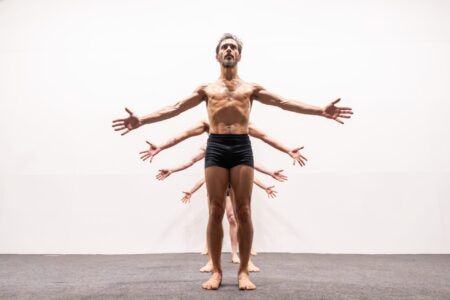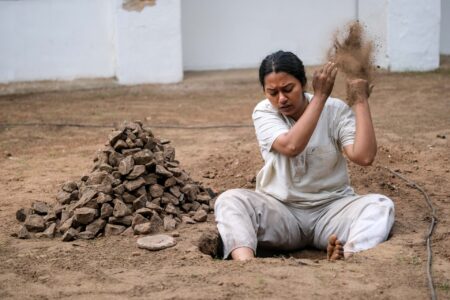

Vineyards worldwide are transforming into open-air art galleries, blending architecture, sculpture, and wine to create immersive cultural experiences.
When vineyards become galleries, the rows of vines stop being merely agricultural geometry and start reading like a curated sequence. Sculptures punctuate terraces; pavilions frame vistas as if they were canvases; tasting rooms become white-box spaces where bottles sit like still lifes. Over the past two decades a quiet revolution has shifted the locus of contemporary art from museums and private collections into the landscape of wine — an alliance that makes sense when you consider both disciplines prize terroir, craft, and the slow accrual of value over time. At the vanguard of this movement is AYA Estate Vineyards in Bulgaria, a dazzling fusion of viticulture and visual art that’s reimagining how visitors experience both.
The Art of AYA
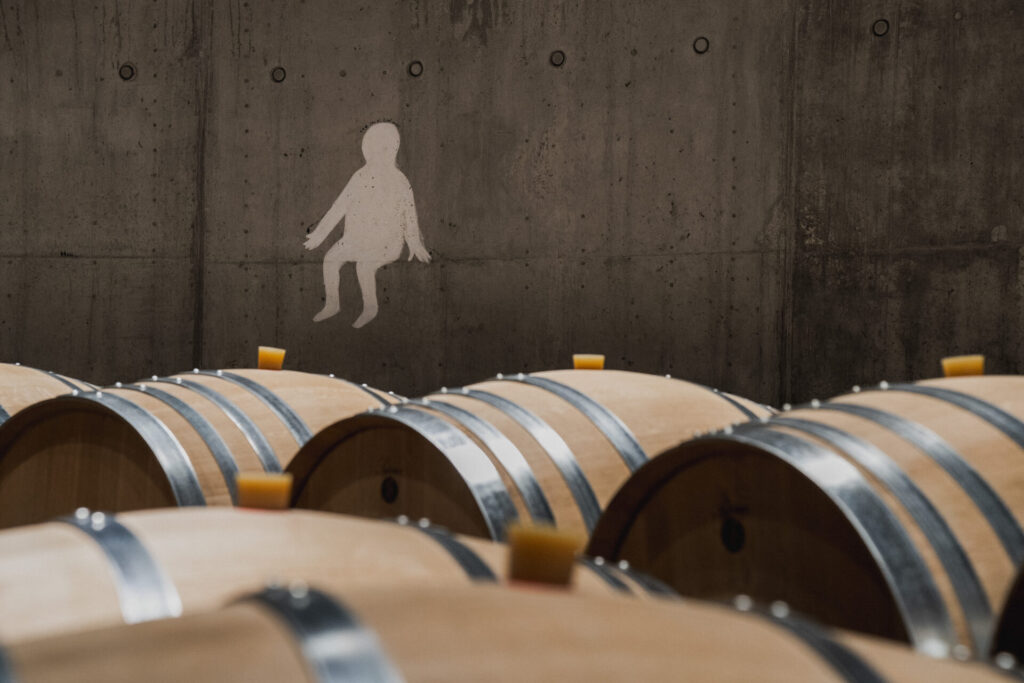
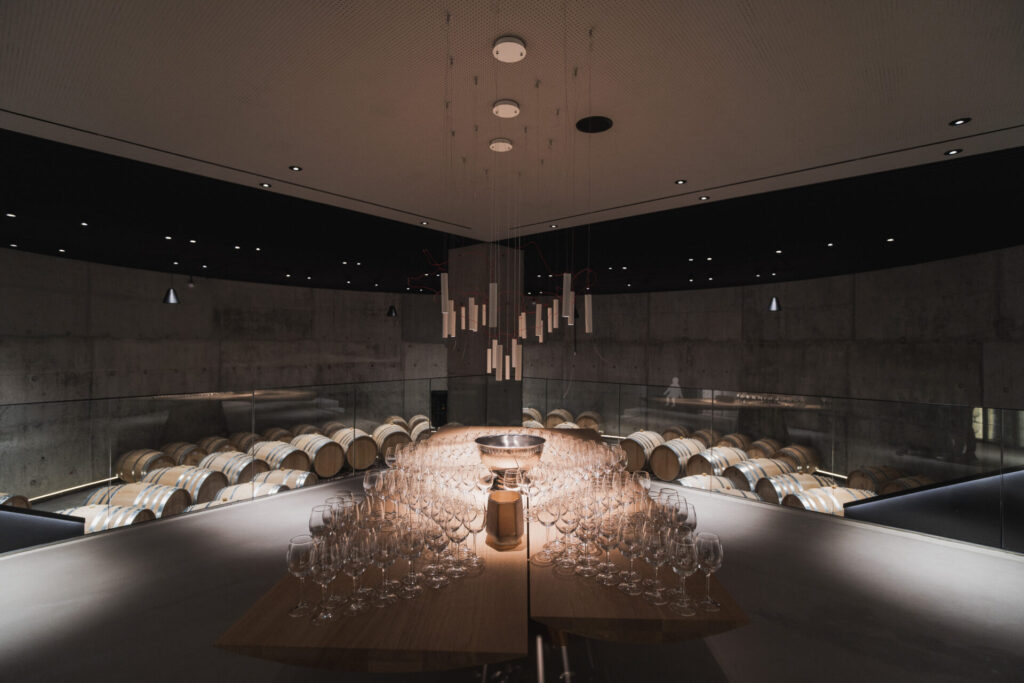
Tucked at the foot of seven mountains near the town of Melnik, AYA Winery unfurls like a living sculpture — a bold architectural statement that appears to rise organically from the earth. Designed by Bulgarian architects as a dialogue between nature and structure, the estate’s sweeping terraces, minimalist glass facades, and reflective water features double as art installations in themselves. But AYA goes further: it treats its vineyards and cellars as exhibition spaces, inviting artists to create works that converse with the terrain.
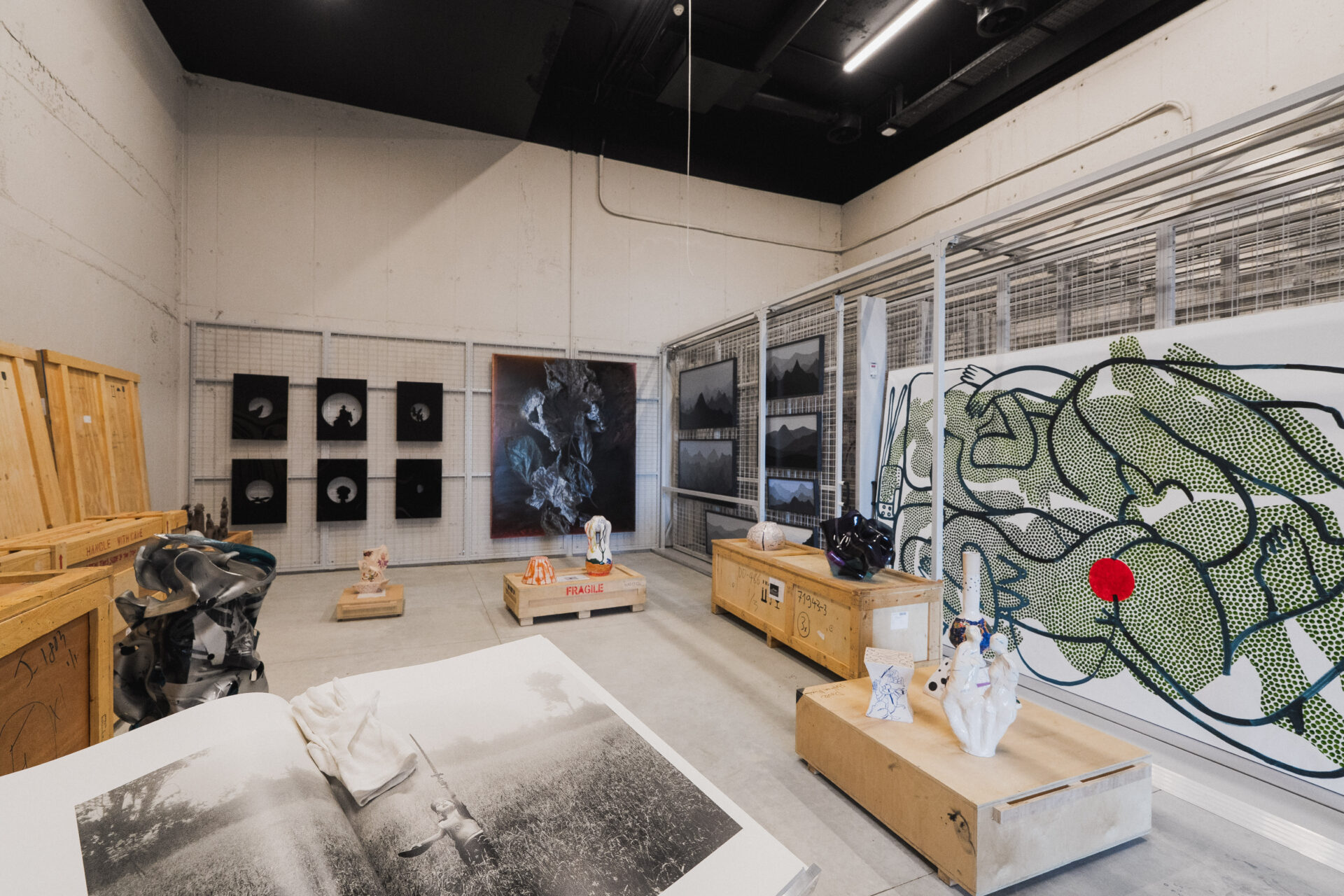
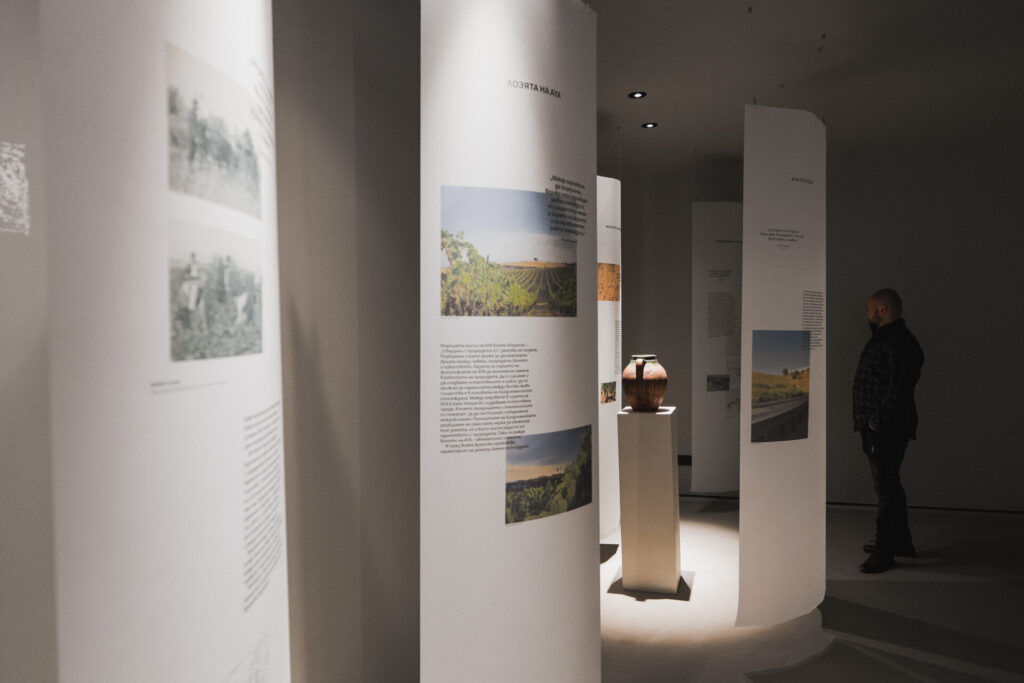
Walking through AYA feels like traversing a contemporary museum without walls. Bronze and stone sculptures by emerging European artists dot the landscaped courtyards, while inside, rotating exhibitions feature multimedia installations, paintings, and digital art inspired by the surrounding terroir. Art Director Irena Gergova describes the estate as “a place where creativity ferments alongside the grapes — both undergo transformation, both express the spirit of the land.”
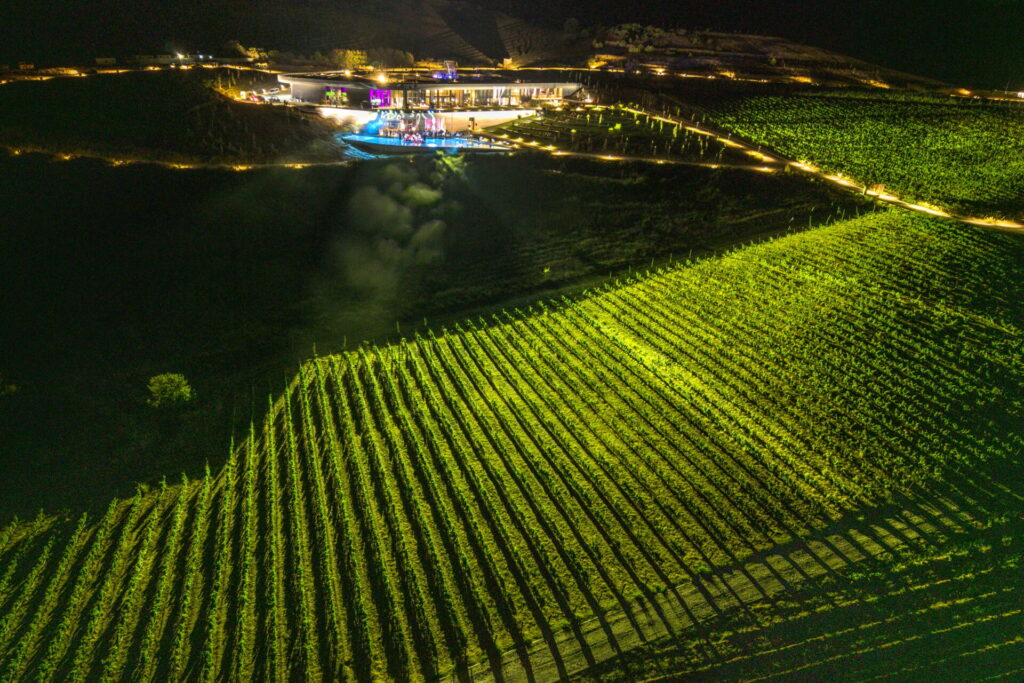
AYA’s owners, a family of art collectors and wine enthusiasts, have consciously built the estate as a cultural beacon for the region, commissioning site-specific works and hosting artist residencies that engage with Bulgaria’s deep cultural heritage.
As I wandered its sculpture gardens, the breeze carried the mingled scents of lavender and fermenting grapes. Artworks seemed to emerge naturally from the soil — an oversized stone grape cluster, a kinetic installation mimicking the rhythm of a heartbeat, an abstract metal vine that cast shifting shadows through the afternoon sun. Every turn revealed something new, as if the landscape itself were in conversation with the creative spirit that animates it.
“Art gives the estate soul,” Gergova told me as we stood before a new outdoor piece by a young Bulgarian sculptor. “Wine engages the senses, but art engages the imagination. Together, they tell a more complete story about place, time, and human connection.”
A global dialogue between art and wine
AYA is part of a larger international dialogue — one that began decades ago but is now flourishing into a distinct art movement: the vineyard-as-gallery. Across continents, winemakers are realizing that art and architecture can deepen a visitor’s emotional connection to their wines, turning estates into destinations that nourish both palate and spirit.
Foremost among these is Château La Coste in Provence, France. Spread across 500 acres, this estate has become synonymous with the seamless merging of art, architecture, and viticulture. Its sculpture trail and pavilions, created by luminaries such as James Turrell, Louise Bourgeois, and Tadao Ando, transform a vineyard walk into an open-air museum experience. Here, minimalism meets landscape — concrete, light, and vine rows converging into meditative beauty.
In Spain, the Marqués de Riscal winery in Rioja achieves similar alchemy through architecture. Its titanium-clad hotel by Frank Gehry — all pink, silver, and gold ribbons — has become a postmodern icon, a beacon shimmering over the medieval village of Elciego. The building doesn’t just house guests; it acts as a sculptural centerpiece, a visual manifesto of how tradition and innovation can intertwine.
Antinori nel Chianti Classico in Italy, by contrast, opts for understated elegance. Designed by Archea Associati, the winery disappears into its hillside, its green roofs planted with vines, its interior a subtle play of light and clay. The Antinori family — winemakers for over six centuries — treat their architecture as a contemporary art form, an act of environmental and aesthetic stewardship that mirrors their approach to wine.
Where senses intersect
Why this global gravitation toward art? Because both wine and art demand the same attentiveness. They ask you to slow down, to notice layers — in texture, in time, in emotion. For a visitor, a sculpture placed among vines reframes how the landscape is perceived, just as a sip of wine reawakens memory and sensation.
When done thoughtfully, the pairing creates a holistic experience: Château La Coste’s serene pavilions encourage meditative walking; Marqués de Riscal’s architecture sparks awe; Antinori’s underground chambers invite introspection. AYA, still young, fuses all these impulses with a distinctly Eastern European sensibility — bold, rooted, and unafraid of experimentation.
Art as cultural regeneration
The rise of such estates also signals a new chapter in rural regeneration. By commissioning artists, hosting residencies, and opening their spaces to the public, these wineries transform agricultural regions into creative ecosystems. For Bulgaria, AYA’s arrival is especially significant. The country, long overshadowed by Western Europe’s wine giants, is now stepping into the spotlight through culture. AYA has begun hosting annual art symposia, where artists and winemakers exchange ideas, and even plans to launch a sculpture biennale inspired by the surrounding Pirin Mountains.
Of course, the blend of exclusivity and accessibility remains delicate. The best wine estates — like AYA or La Coste — balance luxury with openness, inviting both connoisseurs and curious locals to engage. Public sculpture trails, educational workshops, and artist collaborations ensure that these properties contribute to cultural life rather than becoming private enclaves.
The future: Liquid aesthetics
Looking ahead, the vineyard-as-gallery concept seems poised to expand further. Expect immersive installations that incorporate scent and sound, residencies where artists live through the harvest season, and tasting experiences choreographed around art events. As climate shifts reshape viticulture, artists may also intervene to visualize ecological change, making wine estates sites not just of beauty but of reflection.
In the end, what unites these global experiments — from Provence to Bulgaria — is a shared philosophy: that both art and wine celebrate transience, transformation, and the human impulse to create. AYA embodies this ideal beautifully. Its vines yield vintage after vintage; its galleries evolve with every season. Together they whisper a single truth — that art, like wine, is best when it is lived, tasted, and shared.