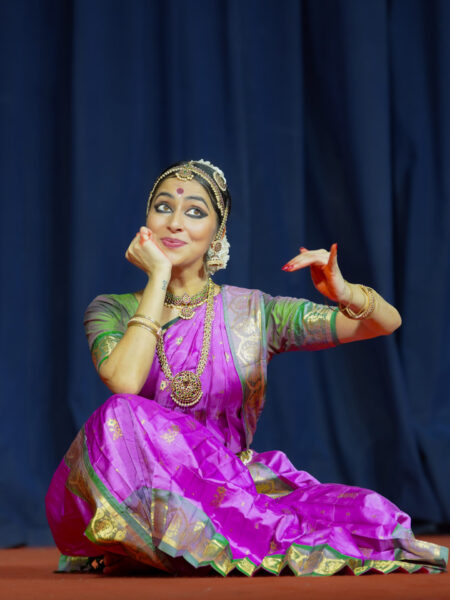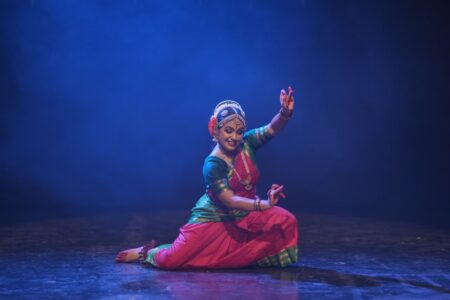

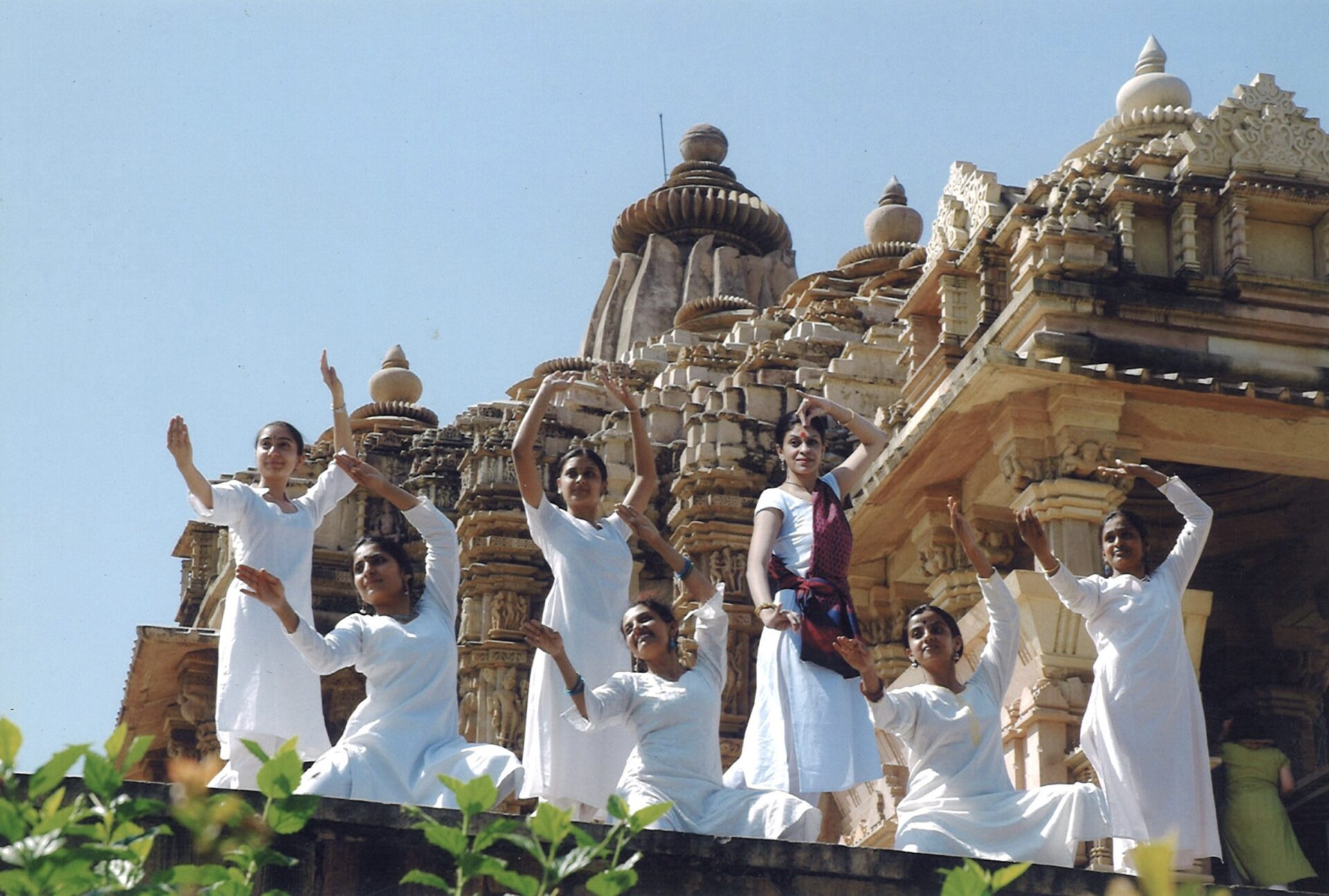
Anchored by the Dr. Maya Rao Kathak & Choreography Conference 2026, Maya Rao’s influence on Kathak is seen through the voice of her daughter, Madhu Nataraj.
The Dr. Maya Rao Kathak & Choreography Conference 2026, to be held on 31 January and 1 February at Sabha BLR, offers more than a commemorative pause. Hosted by the Natya Institute of Kathak & Choreography (NIKC), the fifth edition of the conference uses the present moment as its anchor asking how legacy can remain alive without being reduced to nostalgia. Through performances, conversations, and archival engagements, the conference frames choreography as a living, evolving practice rather than a fixed inheritance.
The conference will feature Datuk Ramli Ibrahim, a Malaysian choreographer, authors Rohini Nilekani, Shobha Narayan and Vikram Sampath, dancers Sandhya Purecha, Anita Ratnam and Siddhi Goel, Amit Wanchoo, social activist and entrepreneur, and artist Masoom Parmar artist.
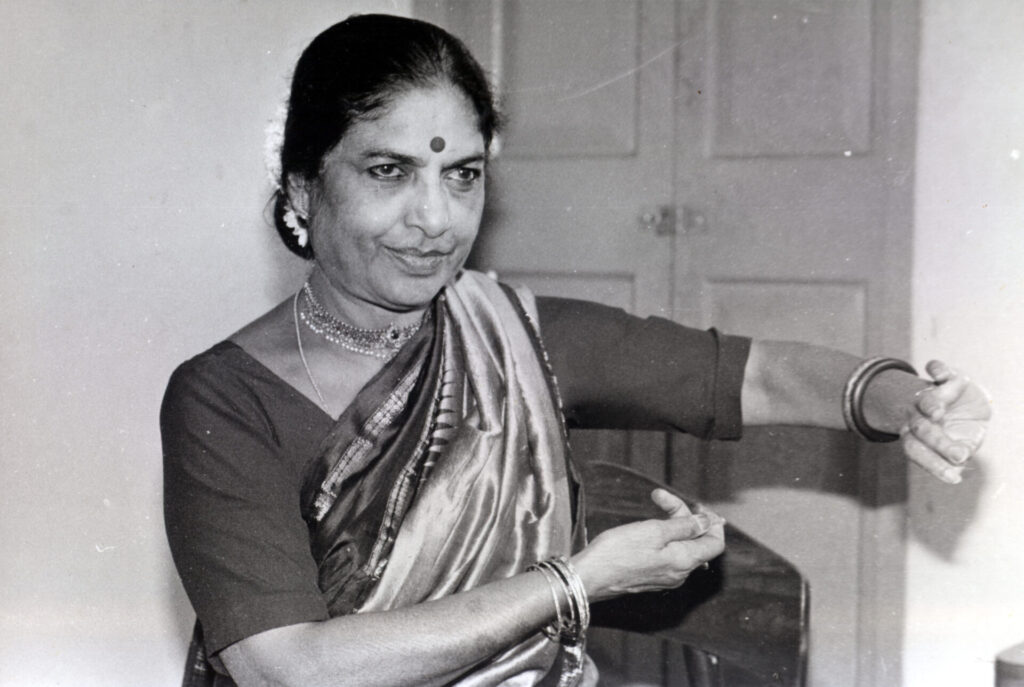
Founded in 1964 by Maya Rao and cultural visionary Kamaladevi Chattopadhyay, NIKC has played a decisive role in shaping modern choreographic pedagogy in India. Today, under the leadership of choreographer and arts entrepreneur Madhu Nataraj, the institution continues to interrogate contemporary questions; climate, technology, identity, while remaining grounded in classical rigour. It is from this dynamic present that the conference theme, Choreographing Continuum, emerges, honouring Maya Rao’s legacy through active inquiry rather than reverence alone.
Maya Rao is widely regarded as one of the principal architects of modern Kathak and Indian choreography.She fundamentally reshaped how dance is taught, researched, and created. At a time when classical dance training was largely hereditary and intuitive, she introduced structure, dramaturgical thinking, and academic rigour positioning choreography as an independent discipline.
Systematising training
Maya Rao’s choreographic thinking emerged from discomfort. Training under Shambhu Maharaj, she encountered an intuitive teaching system where lessons were often decided spontaneously. “Coming from the South and from a formal education system, this unsettled her,” Madhu explains.
Her response was not rejection, but reorganisation. Working closely with her guru, Maya Rao codified Kathak training into a chronological framework from vandana and technique to abhinaya, tumri, and tarana. “This structure remains foundational to Kathak performance today,” Madhu notes.
Her research extended to historical reconstruction. She rebuilt choreographies referenced in court records and classical texts, including those from Jahangir’s court, and became the first Kathak dancer to choreograph ashtapadis from Gita Govinda by Jayadeva.
In the late 1950s, Maya Rao travelled to the Soviet Union to study at GITIS, affiliated with the Bolshoi Theatre. She learnt Russian from scratch and wrote her thesis in the language. She later served as consultant choreographer for the Riga Ballet’s Shakuntala.
On returning to India, she established a choreography course in Delhi in 1964. The curriculum was expansive: Natya Shastra, anatomy, anthropology, art history, architecture, lighting, stagecraft, and music. “She believed dancers must understand the entire ecology of performance,” Madhu says.
“She was a pioneer by temperament,” Madhu recalls. Maya Rao’s own entry into dance was an act of quiet defiance. Denied permission to perform by her father, she agreed to learn dance without stepping on stage. “She didn’t keep that promise,” Madhu says, “and thankfully so. Because of women like her, so many of us are dancing today.”
Learning dance as ethos
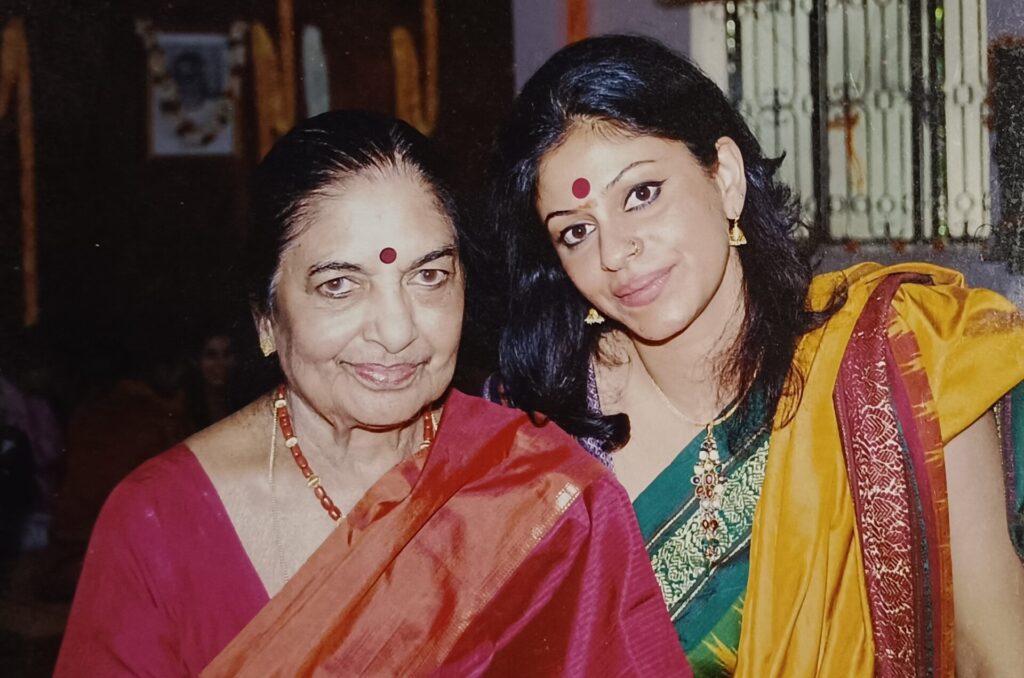
For Madhu, growing up with Maya Rao meant absorbing dance not as inheritance, but as ethos. “I learned by watching her; how deeply she researched, how carefully she responded to people, how seriously she took every aspect of the work.” Their relationship followed the guru–shishya tradition, but it was never limited to hierarchy. “She was my guru, my mother, and my closest confidante.”
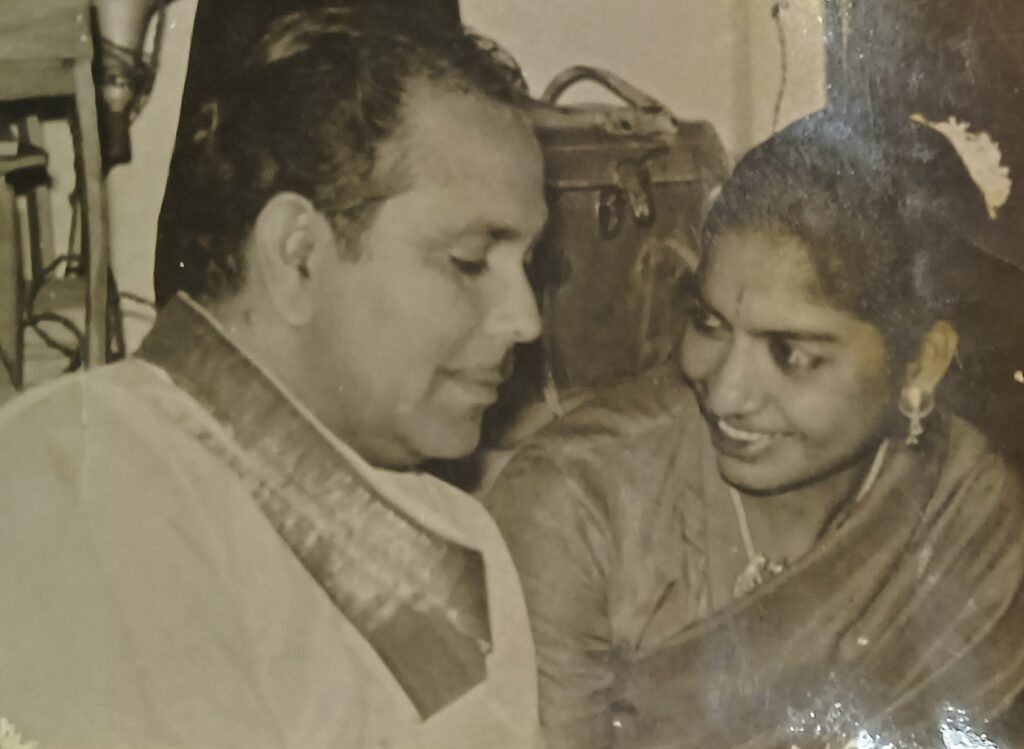
When Maya Rao passed away in 2014, the loss was overwhelming. “It felt like three pillars of my life collapsed at once,” Madhu says. Yet within days, she returned to the studio. “She taught me sensitivity, but she also taught me strength. You had to show up.”
Maya Rao’s influence resists easy mapping. “If you speak to dancers anywhere near Imphal, or backstage in Toronto or Kazakhstan, someone will say they studied with her, or attended her workshops,” Madhu notes. Her work cut across geographies and forms. She engaged deeply with Kathakali and Mohiniyattam practitioners, insisting on dialogue rather than siloed traditions. “Collaboration mattered to her,” Madhu says. “Never isolation.”
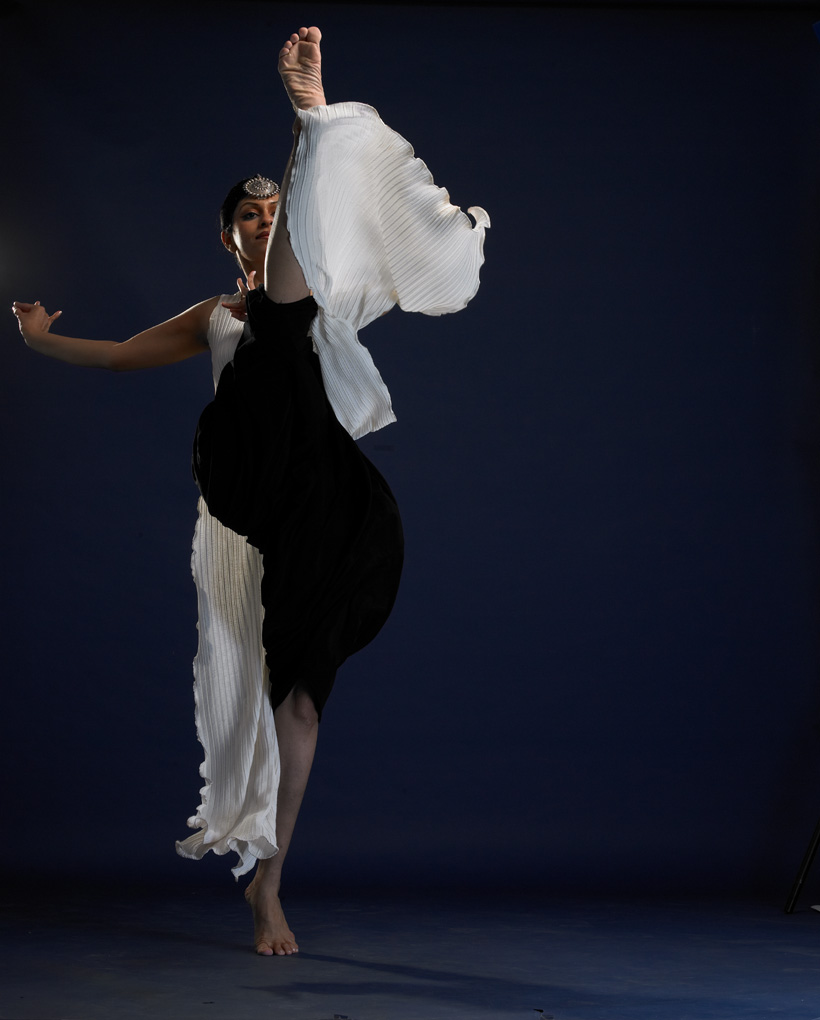
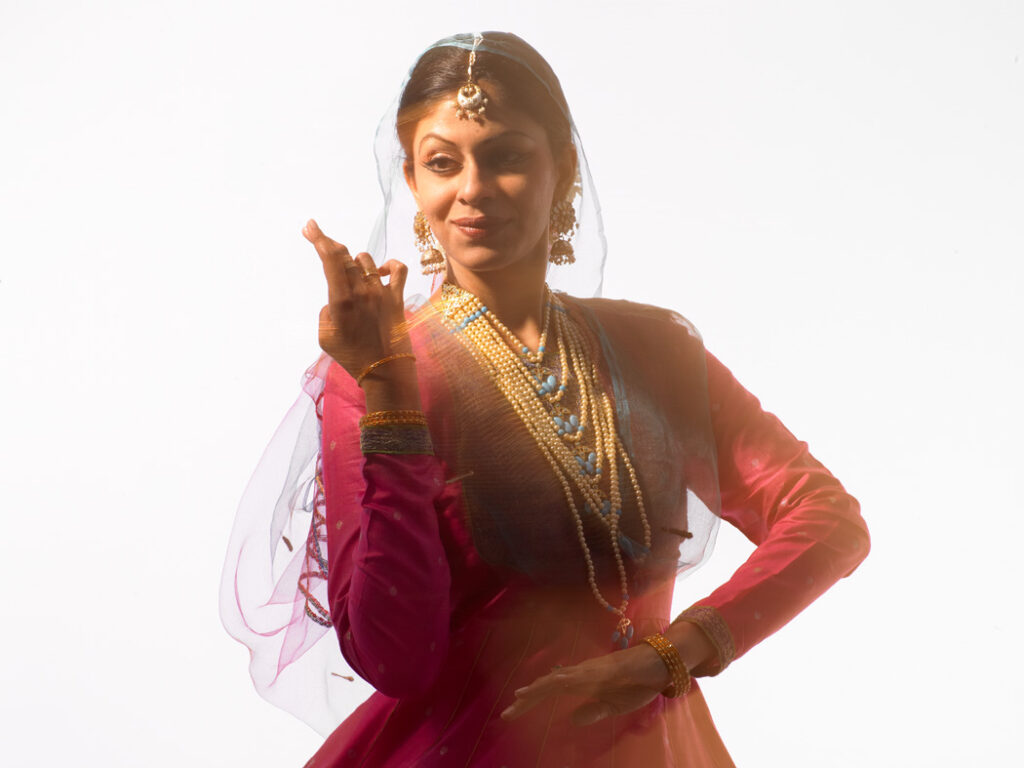
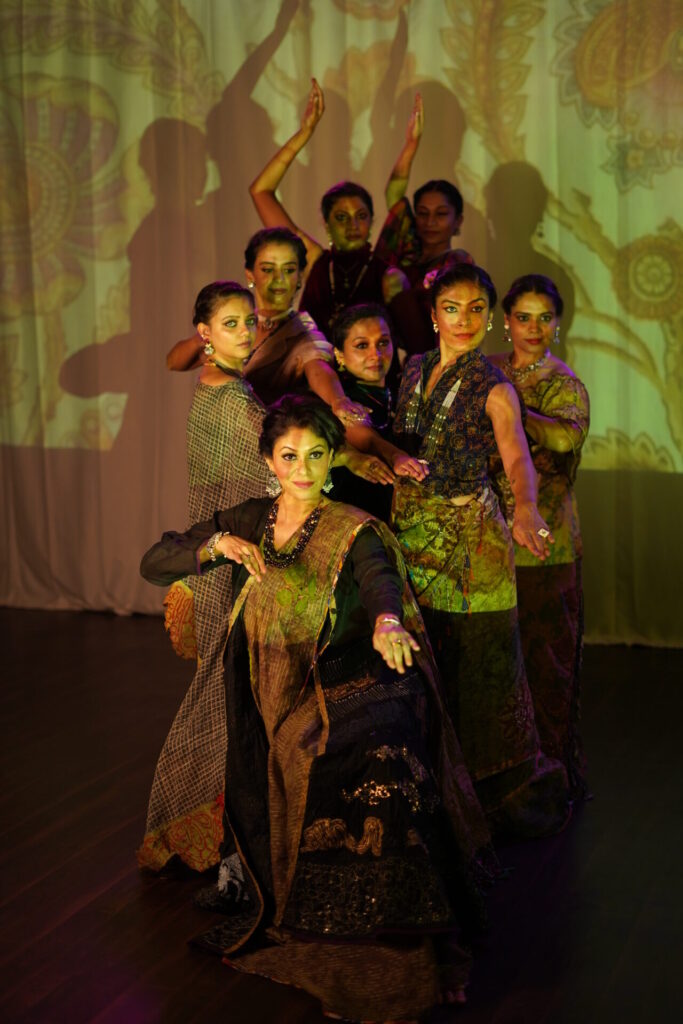
Reflecting on her own work, Madhu is clear-eyed. “What I share with my mother is rigour and collaboration. But I belong to a different time.” Her choreography blends Kathak with martial arts and contemporary movement, shaped by technology, AI, and climate discourse. “Tradition and modernity coexist in daily life,” she says.
Editorial assistance by Gokul Krishna.