
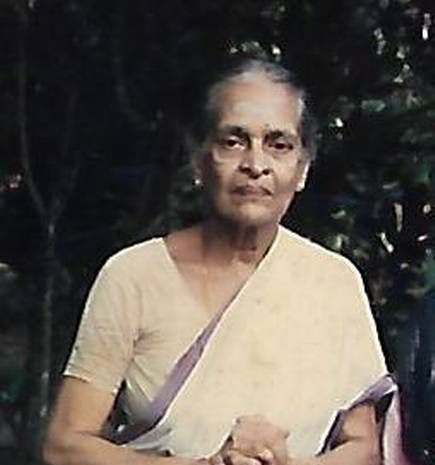
It was the loyalty to the king that compelled Thankamani’s parents to enroll her in Kalamandalam.
It was the loyalty to the king that compelled Thankamani’s parents to enroll her in Kalamandalam.
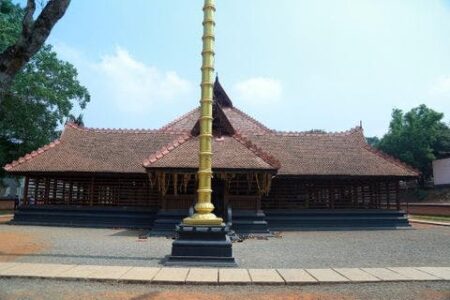
Vallathol Narayana Menon and Kalamandalam infused new life into the then dying art form of Mohiniyattam.
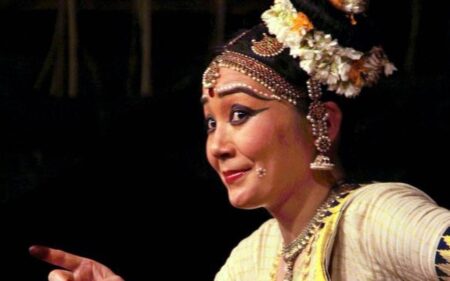
How the establishment of kalaris and cultural exchange programmes across south India led to Mohiniyattam taking different forms rooted in local ethos.
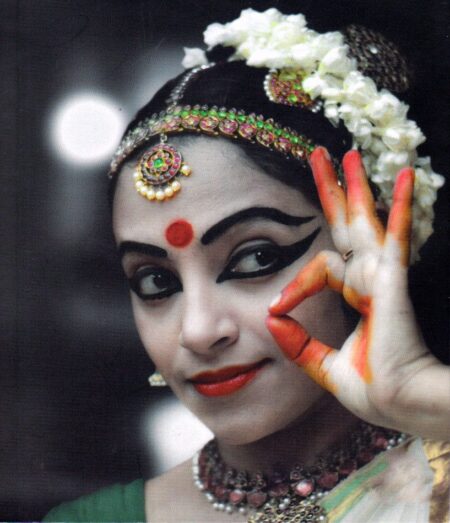
Swathi Thirunnal structured and systematised Mohiniyattam. However, in the 19th-century the art form lost its dignity and was ostracized by the public.
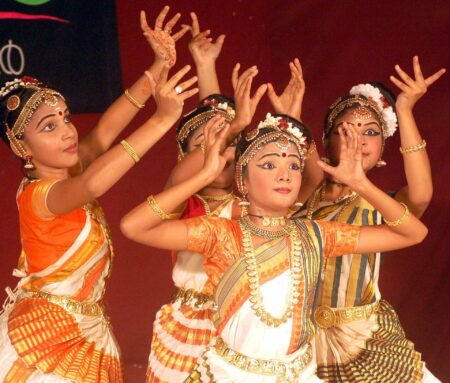
Kunchan Nambiar’s poetry and references to aesthetics accentuate Mohiniyattam’s repotire
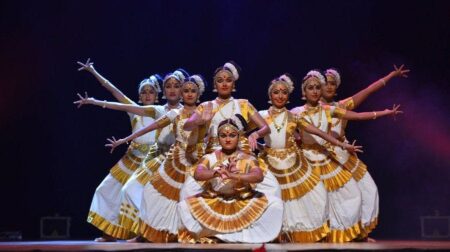
Even though the 16th-Century literature Vyavaharamala mentioned Mohiniyattam, it was Kunchan Nambiar in the 18th Century who first described the costumes and movements of the art form.
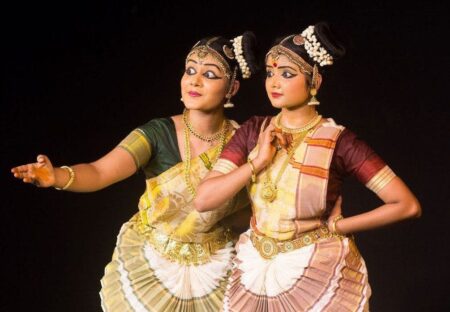
Mohiniyattam or a similar dance form was mentioned in 16th-century literature Vyavaharamala and the historical records of the Travancore rulers.
A slew of treatises of yore and temple inscriptions are enough indications of the numerous dance forms staged in temples.
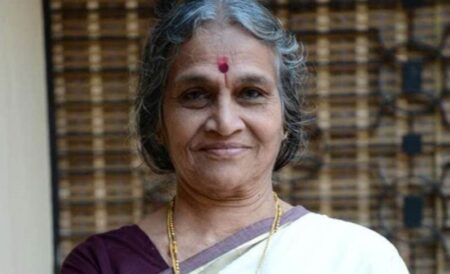
andalam Satyabhama was instrumental in the revival of Mohiniyattam, and her contributions serve as the base for the Kalamandalam style of the art form.
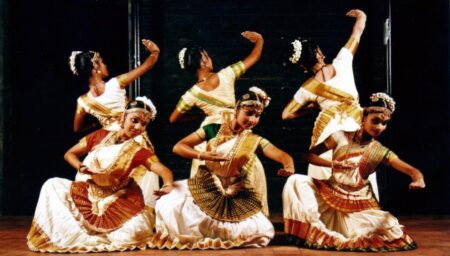
Devadasis were part of Kerala temples as well, shows history, though they were more respected and were even made queens, at times.