
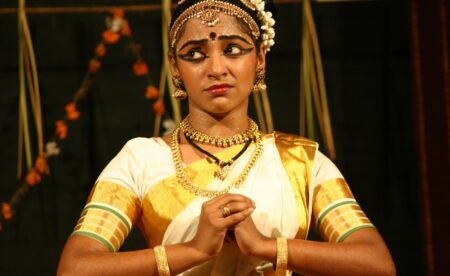
How are the arm movements in Mohiniyattam quite unique compared to the other South Indian classical dance forms?.
How are the arm movements in Mohiniyattam quite unique compared to the other South Indian classical dance forms?.
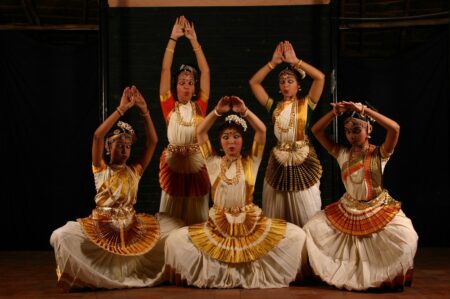
Nature offers a wide range of inspiration to Mohiniyattam. Nagabandha, the movement of the snake, has several deep connotations in Kerala’s folk culture
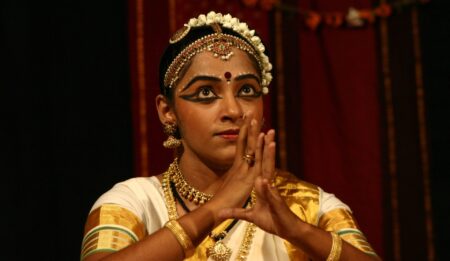
Manduka Pada is identified as relating to the frog jump. Just like the amphibian qualities of a frog, the philosophical nature in a yogi helps transcend different worlds effortlessly
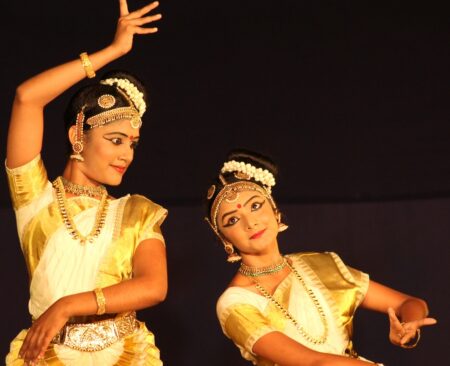
Mayoora pada follows the foot work of a peacock and trains the dancer to be as emotive as the fanned-out feathers of the bird
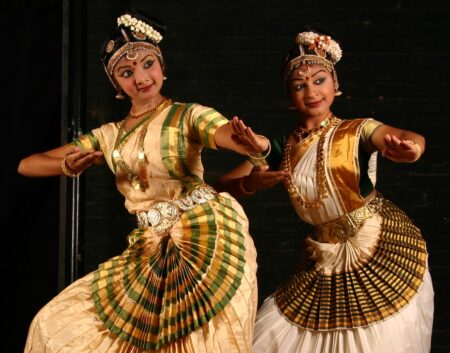
The rooster takes on various meanings in rural India. Its role in Mohiniyattam
is noteworthy
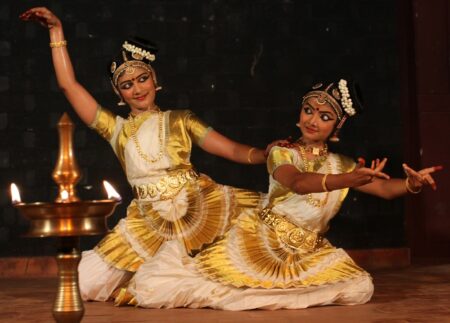
Swan represents various philosophical and spiritual notions in Hinduism. Swan movement in Mohiniyattam is very gentle and beautiful.
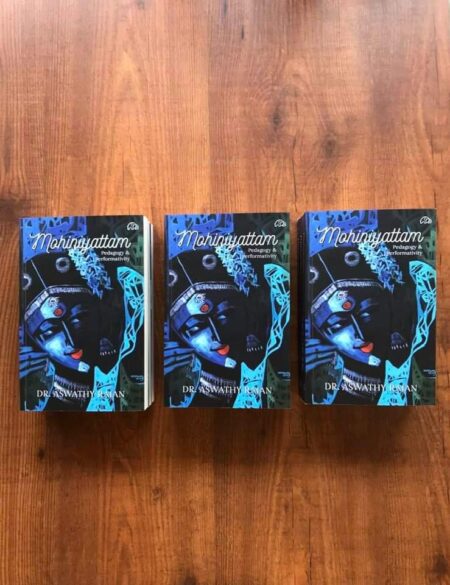
In the book, Mohiniyattam, Pedagogy and Performativity, Aswathy Rajan argues the dance is still under a feudal halo.
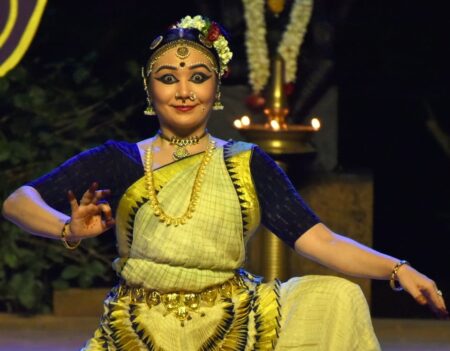
Mandalas are one of the important sources of Mohiniyattam’s creative semiotics
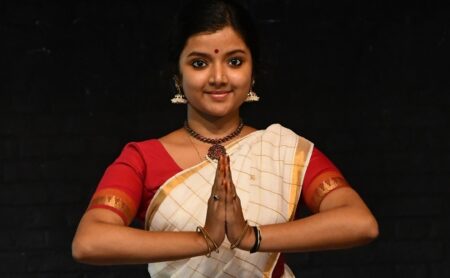
The divine salutation is the starting point not just in dance, but also in humility and gratitude.
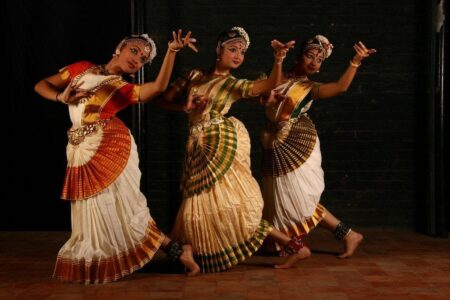
The centuries old guru-shishya tradition, sacred to Mohiniyattam and other classical art forms, continues to be the first step to initiation even today.