
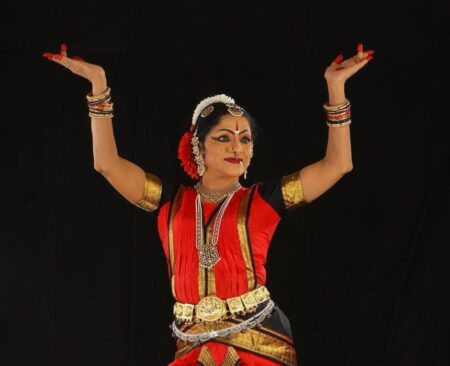
Prasaritha Padottanasana will help a dancer improve the flexibility of the waist while Parshwothanasana helps reduce fatigue.
Prasaritha Padottanasana will help a dancer improve the flexibility of the waist while Parshwothanasana helps reduce fatigue.
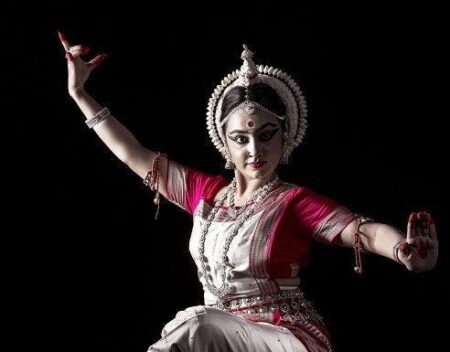
‘Sandhya: Sundown at Puri’, a photo series conceptualised by Vrinda Chadha, spotlights the rich art of Odissi dance in the temple’s sculptures.
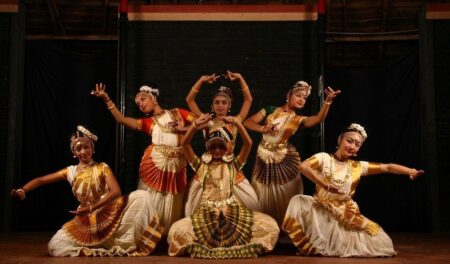
Karthika Thirunal Balarama Varma’s Balaramabharatam is a valuable dance treatise based on the practices that were popular in Kerala during his rule.
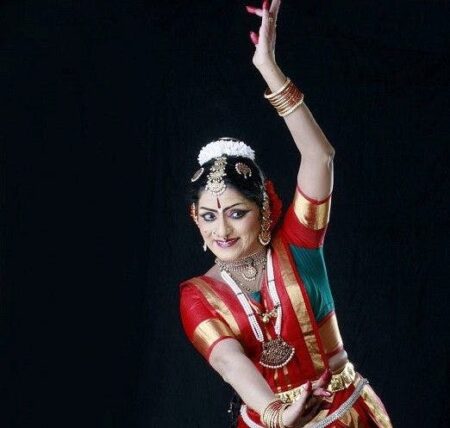
Uddhita Parshwakonasana helps a dancer to perfect ardhasuchi or ardhamandala posture
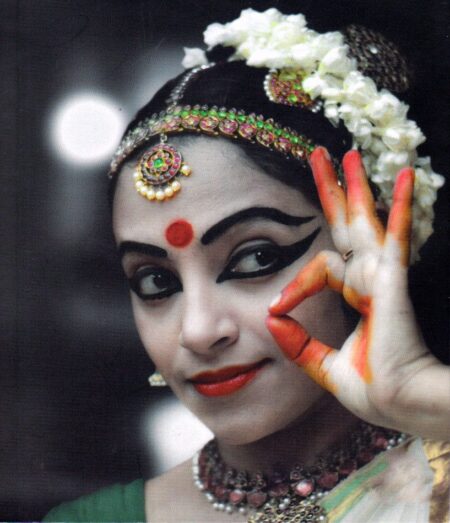
Swathi Thirunnal structured and systematised Mohiniyattam. However, in the 19th-century the art form lost its dignity and was ostracized by the public.
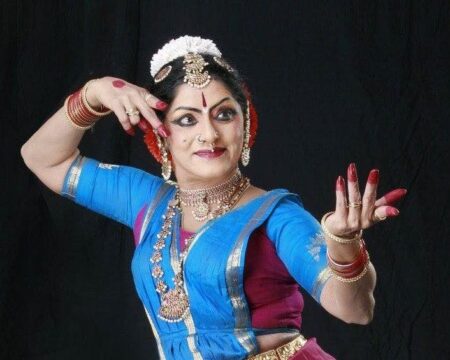
The purpose of Parivritta trikonasana is to stretch the muscles of the back of the thigh (hamstrings) and help the hip joints (adductor muscles) to facilitate adavus.
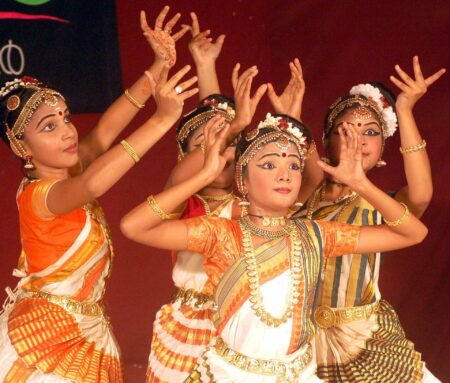
Kunchan Nambiar’s poetry and references to aesthetics accentuate Mohiniyattam’s repotire
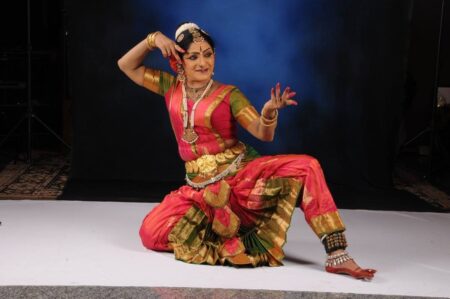
Practising and gaining proficiency over Vrikshasana leads to the stability of both the mind and body.
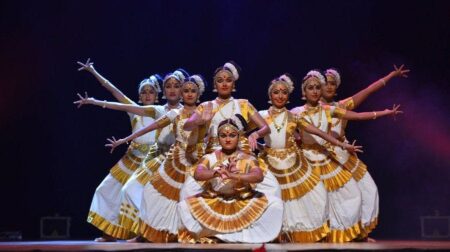
Even though the 16th-Century literature Vyavaharamala mentioned Mohiniyattam, it was Kunchan Nambiar in the 18th Century who first described the costumes and movements of the art form.
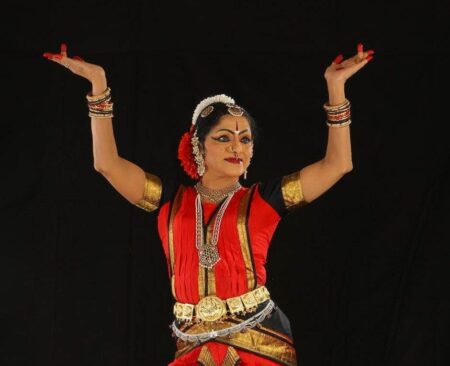
A dancer should at first learn to stand that imparts an aesthetic sense to her stature. Thadasana helps to accomplish it.