
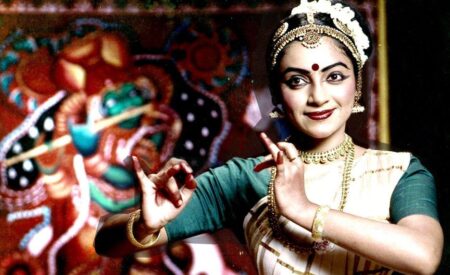
The author traces the origins of dance forms involving solo performances by women, such as Mohiniyattam, Thiruvathirakkali and Nangiarkoothu, to folk art forms revolving around the worship of the Mother Goddess and kavus (sacred groves)
The author traces the origins of dance forms involving solo performances by women, such as Mohiniyattam, Thiruvathirakkali and Nangiarkoothu, to folk art forms revolving around the worship of the Mother Goddess and kavus (sacred groves)
While expatiating on the application of Sringara rasa and bhakti in dance, the writer underscores the responsibility on the part of the dancer to draw up the presentation taking into…
Rasa raja sringara, touches the heart and elevates spiritually. In Natya, the epitome of sringara is bhakti.
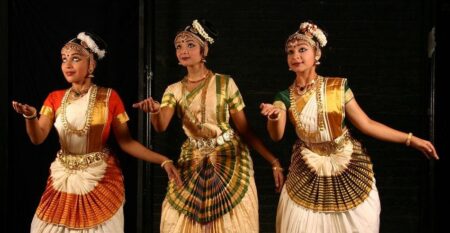
There are distinct similarities between the lasya movements and the juggling techniques with a ball, described in the dance performances in the seventh century work Daśhakumāracharitaṁ, and Kerala dance forms like Mohiniyattam and Thiruvathirakkali.
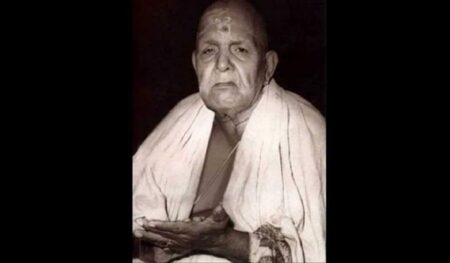
His noble voice made him a man of masses and at the same time the mastery over Swara-singing, made him a great Vidwan, wrote V. S.…
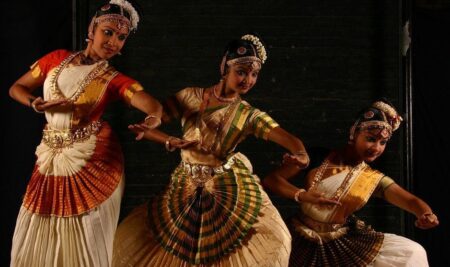
From the Sangham era, the art of dancing had progressed gradually and flourished considerably during the Chera period because of the courtesy, patronage and benevolence by the rulers.
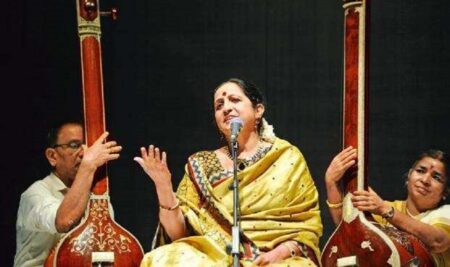
Carnatic music could be used as a tool to attain larger goals like spreading ecological awareness or bringing education to all
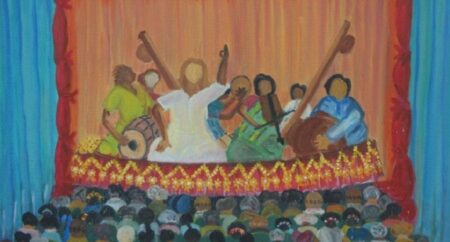
Carnatic music will become popular only if its advocates reach out to laymen, and address people from different cultural and age backgrounds
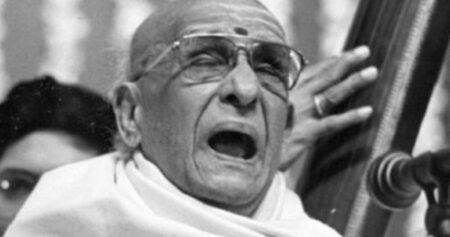
In his renderings of Karnatic music, especially ragas, Semmangudi R Srinivasa Iyer introduces the essence of Hindustani music wrote V. S. Namboothiripad, Kerala’s first music critic in 1954.
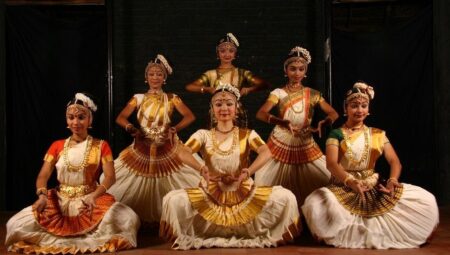
There are enough indicators in Silapathikaram that make us believe that a dance form which was a harbinger of Mohiniyattam was in vogue during those days.